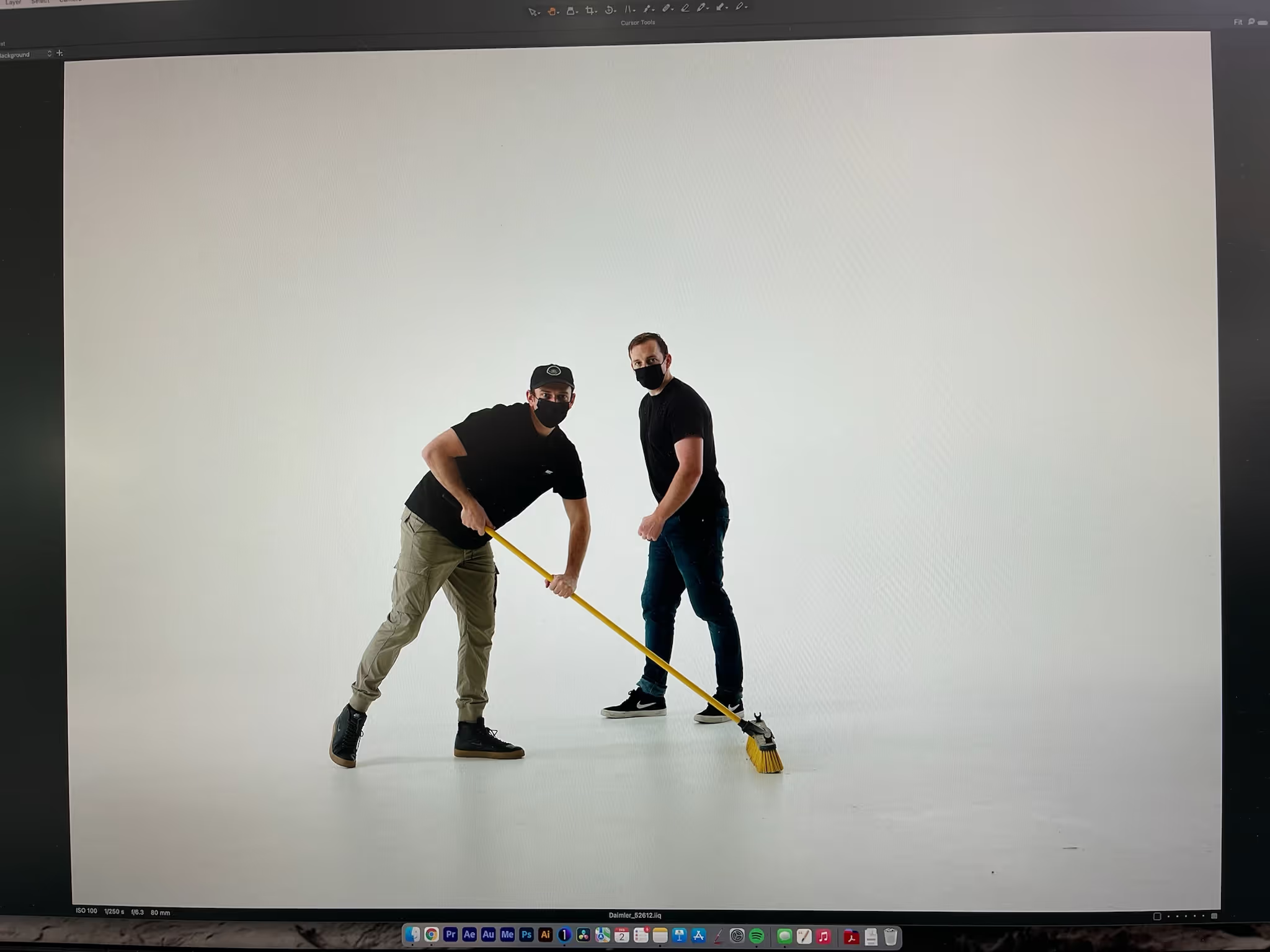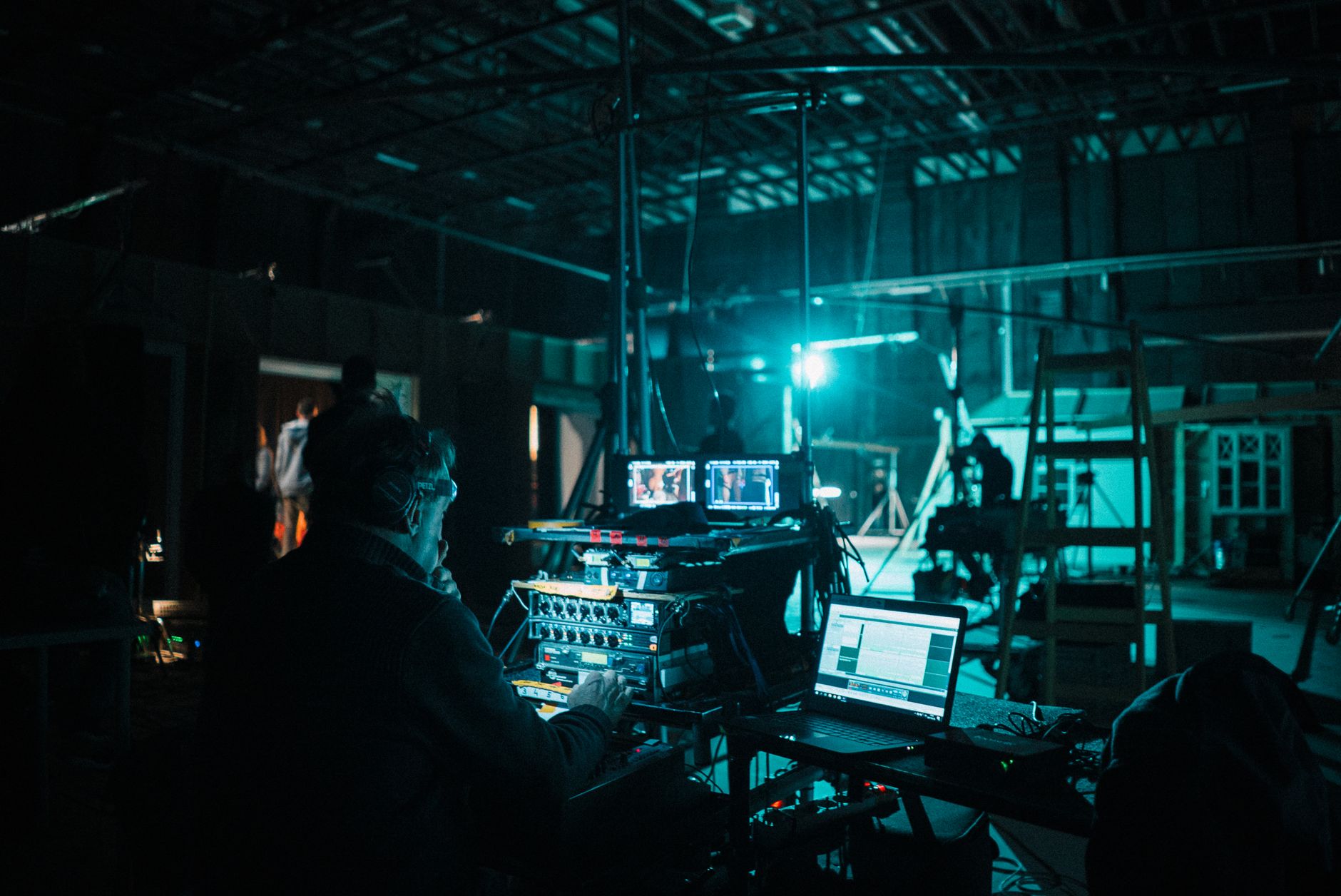

There are brands that seem to produce great content effortlessly — a consistent stream of work that's on-brand, high-quality, and appears across every channel without visible strain. There are brands that produce content in bursts, unevenly, with long gaps between campaigns and a visible inconsistency in quality and tone.
The difference between them is rarely budget. It's infrastructure — the set of decisions, relationships, and systems that determine how a brand's content actually gets made. The brands that produce well have built something. The brands that produce unevenly are still working project-to-project.

A few things show up consistently in the operations that work.
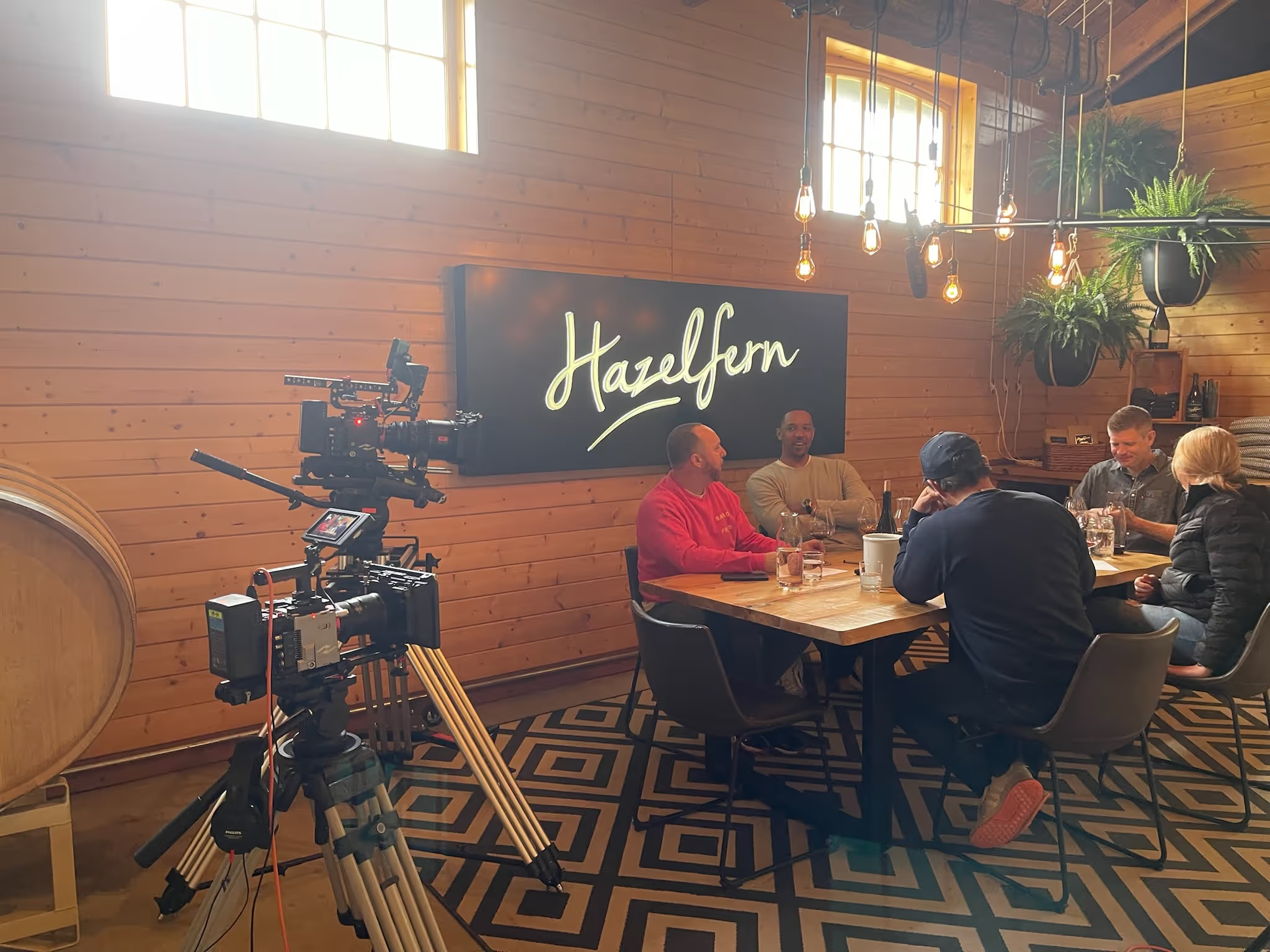
The brief is treated as a real document
The single biggest differentiator between content operations that work and ones that don't is brief quality. Not creative brief in the agency-deck sense — a working document that answers the actual questions a production team needs answered before they can make something good: what the content needs to accomplish, where it will run, who it's for, what tone it should hold, and what decisions have already been made versus what's still open.
Brands that brief well spend less time in revisions. They get more out of each shoot day because the team isn't discovering scope on set. They produce more consistent work because the brief functions as an ongoing reference rather than a per-project exercise. Brands that brief poorly produce more but get less — more revision rounds, more off-brief deliverables, more time spent course-correcting instead of creating.
Volume discipline beats episodic ambition
The brands with strong content operations tend to produce at a predictable cadence rather than investing heavily in occasional campaign pushes separated by long gaps. This isn't about doing more — it's about doing it consistently. A steady output of well-executed content compounds differently than an irregular output of occasional standout pieces.
The channel algorithms favor consistency. So do audiences: familiarity builds faster through regular presence than through sporadic excellence. And from an operational standpoint, a consistent cadence is simply easier to sustain than a campaign model — the processes are tighter, the team is more practiced, and the per-asset cost tends to come down over time.
The production relationship is treated as a partnership, not a vendor relationship
Brands that get the most from their production partners tend to treat them like an outsourced function rather than a supplier executing a purchase order. That means sharing context, not just deliverables. It means giving the production team visibility into what's working on the channels and what isn't. It means letting them push back on briefs that are going to produce mediocre work. It means briefing them on the brand's strategy, not just the campaign.
The production companies that attract and sustain these relationships are the ones with strong enough creative conviction that they can be a genuine partner in that conversation. The ones that execute exactly what they're given, without question or input, are easier to manage — and produce worse results over time.
They know what they're making between campaigns
One of the clearest markers of a mature content operation is that someone has thought seriously about what gets made between major campaign moments. The seasonal campaign, the product launch, the brand film — those are the easy briefs. What fills the calendar between them is where most operations struggle.
The brands that handle this well have answered the question in advance rather than improvising every month. They know what content types serve their channels in the gaps, what can be produced efficiently alongside bigger shoots, and what can be adapted from existing assets versus what needs to be made from scratch. That planning turns the between-campaign period from a drag on the operation into part of the production system.
The asset library is treated as a strategic resource
Every shoot produces more than what gets published. The brands with strong content operations have systems for capturing, organizing, and actually using that surplus — the b-roll that didn't make the hero cut, the alternate takes, the detail shots, the behind-the-scenes footage. Brands without those systems leave usable content on the floor every time they shoot, and then pay to recreate it later.
The asset library isn't just a storage question. It's a production efficiency question. A well-organized library of existing footage lets a brand fill content gaps without a shoot, produce social content around evergreen topics, and extend the useful life of every dollar invested in production. Brands that treat it as an afterthought repeatedly invest in making content they've already made.
Quality is defined before the brief, not after the first cut
The best content operations have a clear, shared definition of what good looks like — not in the abstract, but specifically: what visual register the brand occupies, what tone it holds across copy and caption and voiceover, what it doesn't do. That definition exists before any brief is written, and it functions as a filter at every stage of production rather than a judgment applied at the end.
Brands without that shared definition spend their revision cycles trying to articulate it retroactively. Every deliverable becomes a negotiation about what the brand actually is, which is expensive and slow and produces inconsistent results regardless of how talented the production team is.