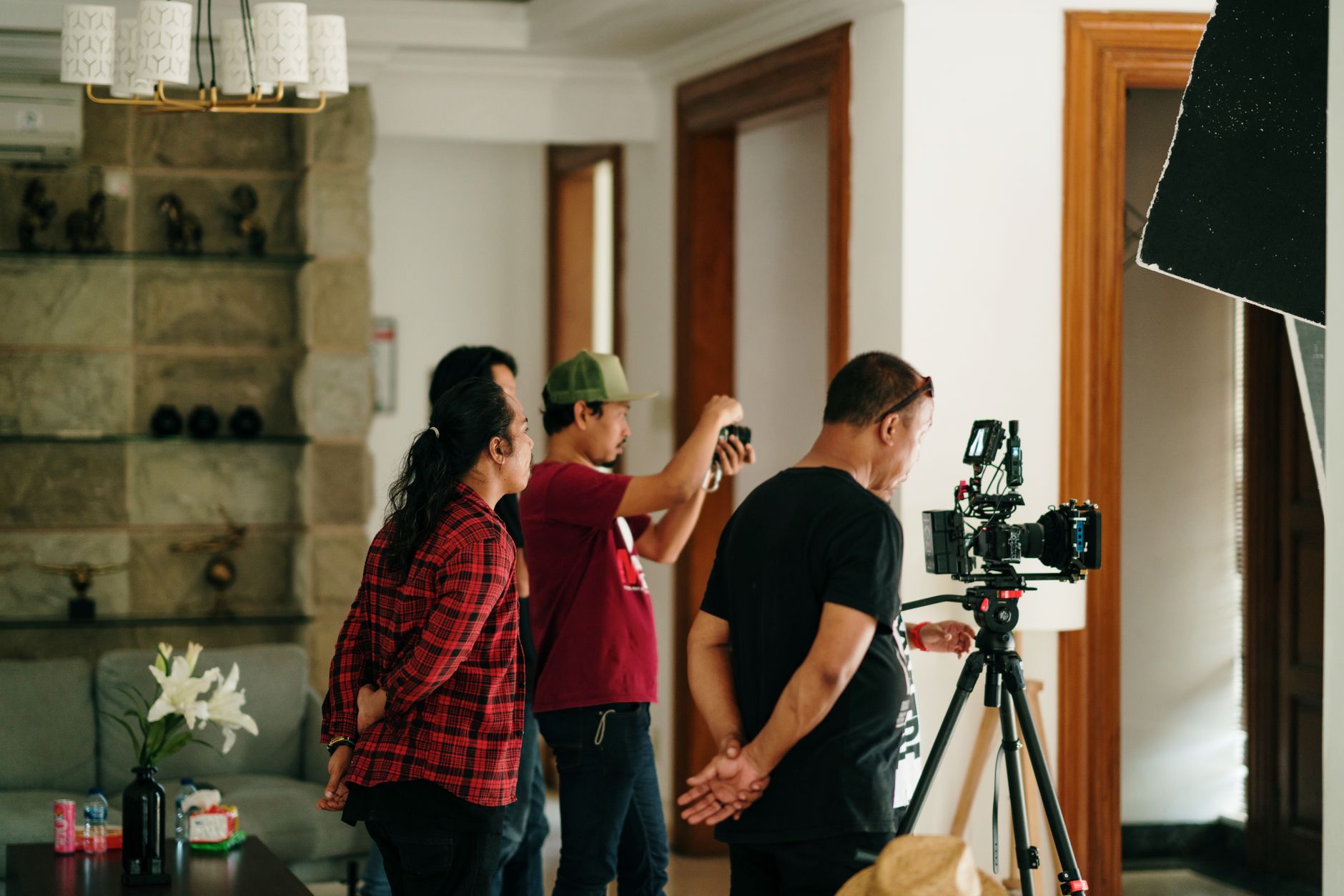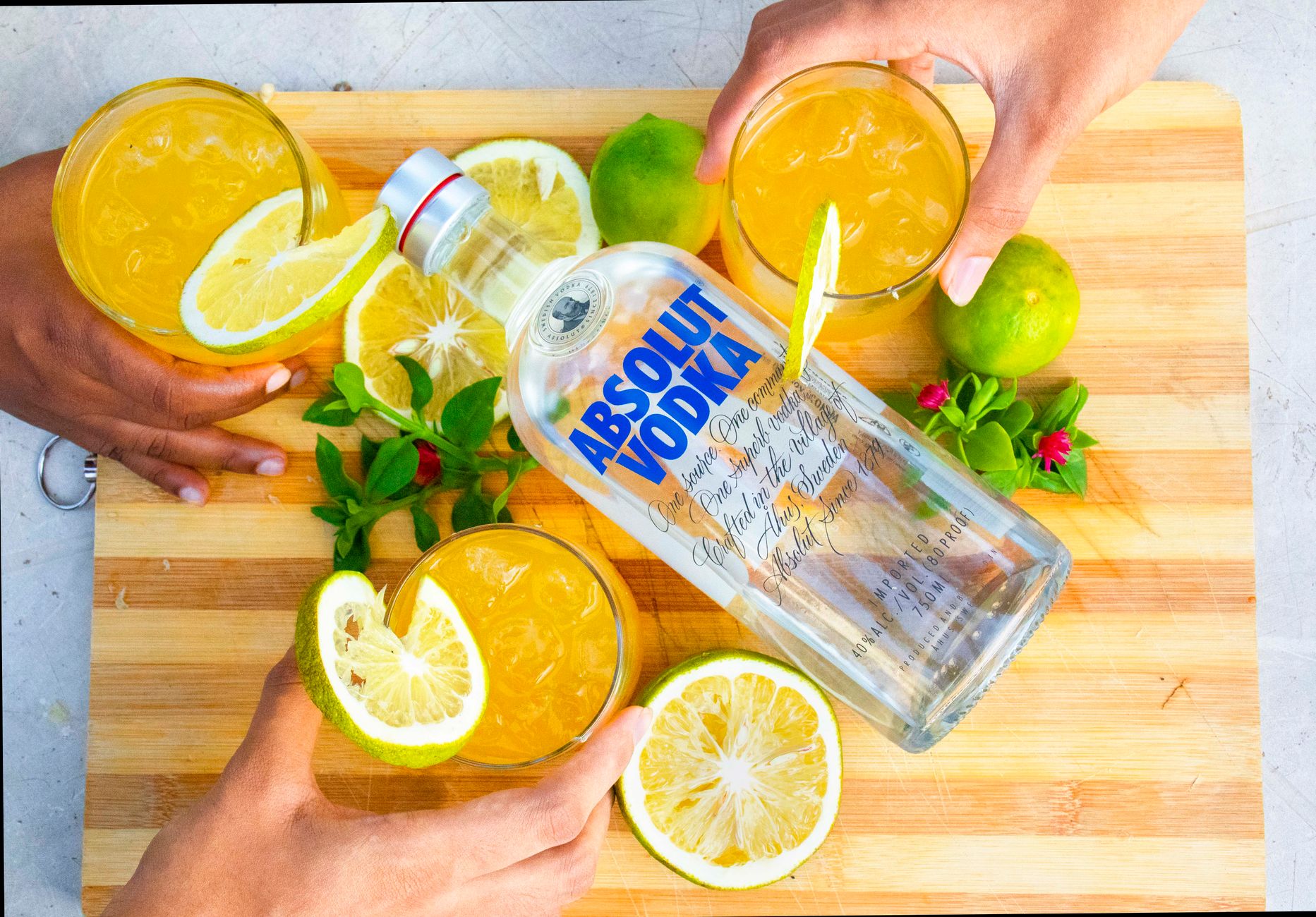
Between major campaigns, a beverage brand should shoot useful product truth: clean packaging, pours, texture, serving rituals, ingredient or process details, and everyday use moments. Build the work around recurring channel needs so the next content gap does not trigger another disconnected production.
The purpose is not to imitate a seasonal hero campaign at a smaller scale. It is to create dependable material for product pages, paid tests, organic publishing, retail support, email, and sales.
Audit what the channels keep requesting
Review the recent calendar and asset library. Look for repeat requests, missing formats, old packaging, weak product demonstrations, and hero assets being stretched into jobs they were not designed to do.
Ask each channel owner for the placements they need to fill, not a general wish list. Record the product, audience, message, orientation, duration or dimension, copy space, and delivery date. Those requirements become the working brief for beverage brand content production.
Refresh the product foundation
Maintain current, accurate coverage of the product itself:
- Front, side, back, and important packaging details
- Single-product and grouped-product compositions
- Open, closed, poured, mixed, or prepared states where relevant
- Scale, hand interaction, and serving context
- Clean frames with room for approved copy
- Horizontal and vertical compositions for confirmed placements
Check every label, cap, ingredient, garnish, vessel, and product variant before capture. A beautiful frame is not usable if the packaging is outdated or the serve conflicts with approved brand guidance.
Show the sensory evidence
Beverage content needs motion and detail. Condensation, bubbles, foam, ice, steam, texture, color, and the shape of a pour can help the viewer understand the experience without inflated language.
Plan these moments as actions, not accidents. Decide the product temperature, glass or vessel, surface, pour speed, fill level, and reset process. Capture clean versions of the action so editors can build different openings and durations later.
Build around repeatable content pillars
A between-campaign shoot can cover several recurring editorial jobs:
- Product: packaging, variants, details, and straightforward demonstrations.
- Ritual: opening, pouring, mixing, serving, packing, or sharing.
- Use occasion: an approved everyday setting that gives the product context.
- Education: ingredients, process, pairings, or preparation when the facts are approved.
- People: hands, makers, staff, talent, or customers when releases and usage are clear.
Choose only the pillars supported by the current marketing calendar. More categories do not automatically make the library more useful.
Create evergreen masters and seasonal layers
Keep the product, core lighting, and main action reusable. Add seasonal color, props, ingredients, surfaces, or copy space as modular layers. This gives the team a stable source library without making every image feel tied to one short window.
Avoid building the entire scene around a trend unless the asset has one defined use. The article on turning one shoot into a month of assets shows how shared masters can support several channels while still allowing purpose-built versions.
Plan variations that change the idea
Alternate openings, product variants, use occasions, or approved messages can create meaningful options. Tiny changes that no viewer will notice only make the folder harder to manage.
For paid media, label the variable being tested. For organic, capture enough context and sequence to support captions and editorial themes. For ecommerce and retail, prioritize accuracy, consistency, and required specifications. Each final asset should have a named job.
Choose the production model from the cadence
An in-house team can make sense when the work is frequent, the formats are repeatable, and the necessary craft is available internally. A project partner can make sense for a defined campaign or a specialized production. A monthly model can make sense when the brand has a steady set of approved needs that can be batched and reviewed consistently.
The comparison in in-house team versus production partner begins with content volume and internal capacity. Use the same test here. The model should reduce planning friction without lowering the standard for the product.
Review the library against the next calendar
Before wrapping the shoot, check that each priority placement has an approved source asset. Confirm packaging, claims, talent usage, music or location rights, filenames, and expiration dates where they apply. Separate evergreen material from seasonal work and working files from approved finals.
The best between-campaign library is not the largest one. It is current, accurate, easy to navigate, and specific enough that channel teams can use it without rebuilding the idea.