Brand photography quotes vary widely for reasons that aren't always explained upfront. A product shoot can cost $500 or $50,000. Here's what the difference actually reflects — and which factors matter most when you're building a content budget.
Usage Rights
This is the most commonly misunderstood cost driver in photography. A photographer's day rate tells you almost nothing about total cost without knowing the usage terms. Photography licensed for organic social only carries a different price than photography licensed for paid media, out-of-home, retail, or use in perpetuity. Usage fees can match or exceed the day rate. Before comparing quotes, compare what rights each one actually includes — the number that matters is the total cost of ownership for the content, not the shoot day alone.
Volume of Output
A single product hero image is not the same scope as a full product line shot across multiple colorways with lifestyle context and detail shots included. The number of SKUs, the number of final selects required, and whether video is expected alongside stills all affect what a shoot actually costs. Project-based pricing is often based on output volume as much as on time. Getting clarity on deliverable count before a proposal is written produces more accurate quotes than negotiating scope after one arrives.
Studio vs. Location
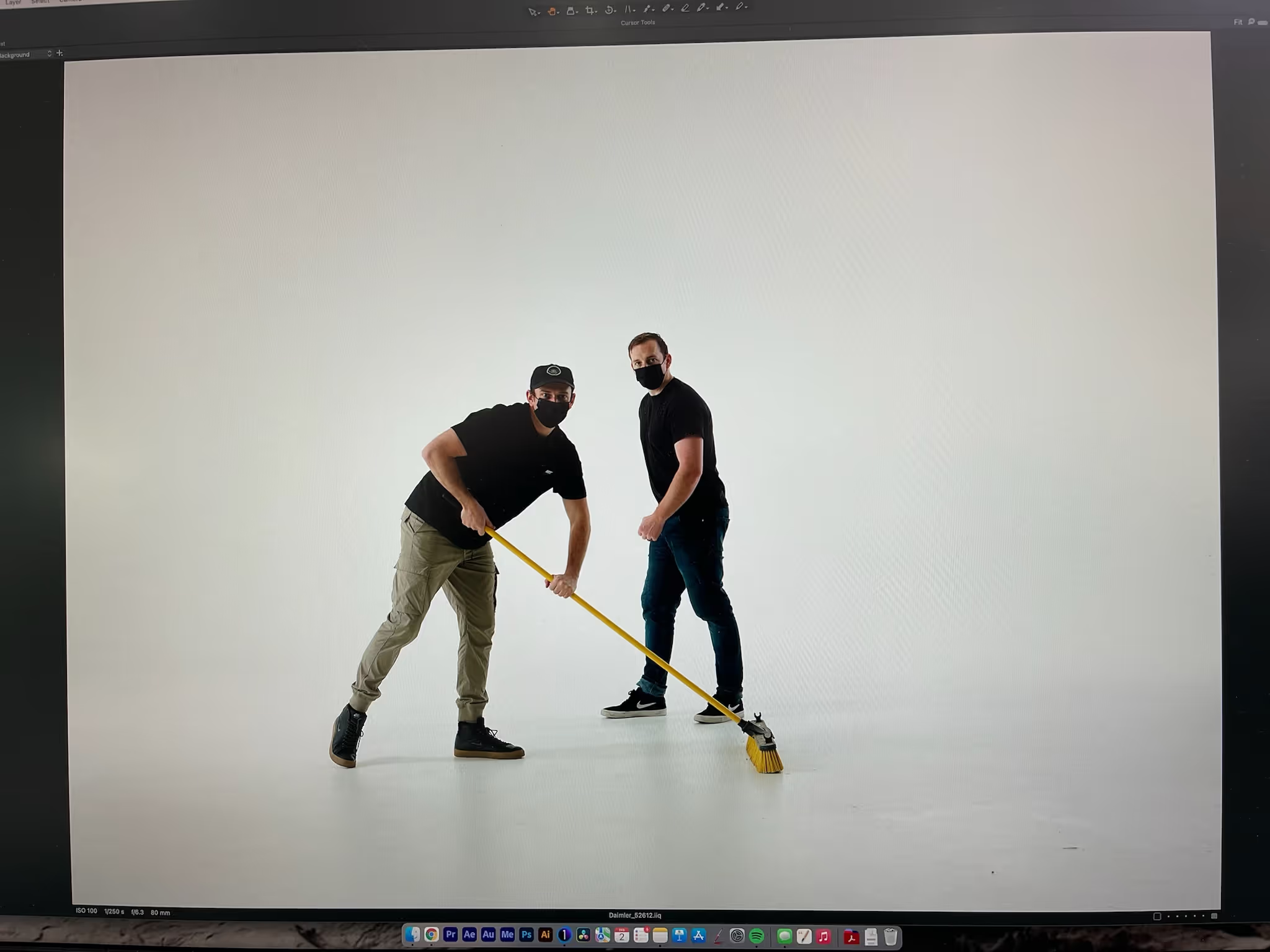
Studio shooting offers controlled light, a predictable environment, and no weather variables. Location shooting offers context, scale, and visual variety that a white sweep or cyc wall can't replicate — but adds logistics, permits, and unknowns. Studio day rates are predictable. Location shoots have a day rate plus a tail of costs that depend on the specific location. Both serve real creative needs; the choice should be driven by what the images need to do, not by which sounds simpler to produce.
Styling and Props
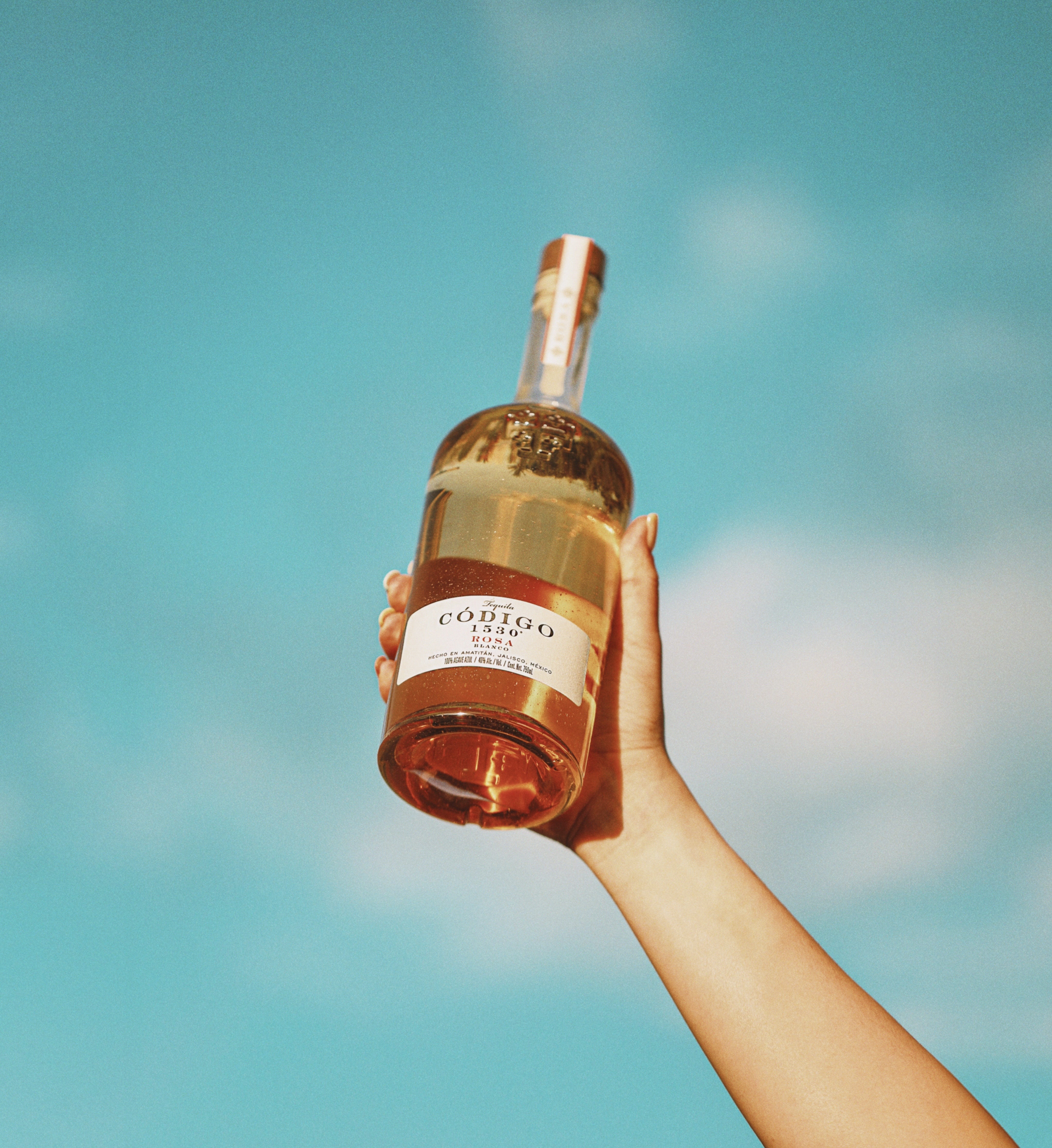
Prop sourcing, surface materials, food or product styling, wardrobe — these costs sit outside the photography fee and are frequently underestimated. A cleanly styled flat lay can require hours of prep and significant materials cost. More complex lifestyle shots with multiple props, wardrobe changes, or food preparation can cost more in styling than in shooting time. Worth asking about explicitly in any proposal, not assuming it's included.
Post-Processing Volume
Basic culling and color correction is different from extensive retouching. File delivery in multiple formats and sizes is different from a single master export. Post-processing time scales with output volume, retouching complexity, and the number of approved selects. Quotes that include unlimited editing are almost certainly building that time into the rate somewhere else. More useful to ask: what's included in post, what does additional retouching cost, and who owns the raw files?
Retainer vs. Project Pricing
Project-by-project photography tends to produce inconsistent content — different visual language shoot to shoot, higher per-image costs, and no continuity on set. Retainer or subscription arrangements fix the visual system across time: same team, same approach, compounding familiarity with the product and the brand. For brands that need consistent content between major seasonal campaigns, the per-image cost on a retainer is almost always lower than repeat project work. The tradeoff is committing volume upfront, which requires a clear content plan before the contract is signed.
What to Clarify Before Getting Quotes
The questions worth asking before any photography proposal: What usage rights are included? What's the expected output volume? Is post-processing included, and to what extent? What happens if scope grows on set? The answers to those questions turn a range of quotes into an actual comparison. Without them, you're comparing day rates — which is the least useful number in any photography budget.