Brand photography is a powerful tool in your marketing arsenal. It helps you tell the story of your brand, showcase your products and services, and connect with your audience on an emotional level. But it doesn't come cheap.
The cost of brand photography can vary widely depending on several factors. In this post, we'll break down these factors to help you understand what goes into the price tag and how to make informed decisions about your brand photography budget.
1. Studio vs. Location Shoots
One of the primary cost factors in brand photography is whether you choose a studio or location shoot. Studio shoots typically have lower costs because they are more controlled environments with less travel time and equipment required. However, they may not capture the essence of your brand if it's heavily tied to its physical location or unique surroundings.
Location shoots, on the other hand, can be more expensive due to additional logistics such as permits, transportation, and equipment rental. But they often provide a richer visual story that resonates with audiences and aligns with your brand identity.
2. Gear Rental vs. Owned Equipment
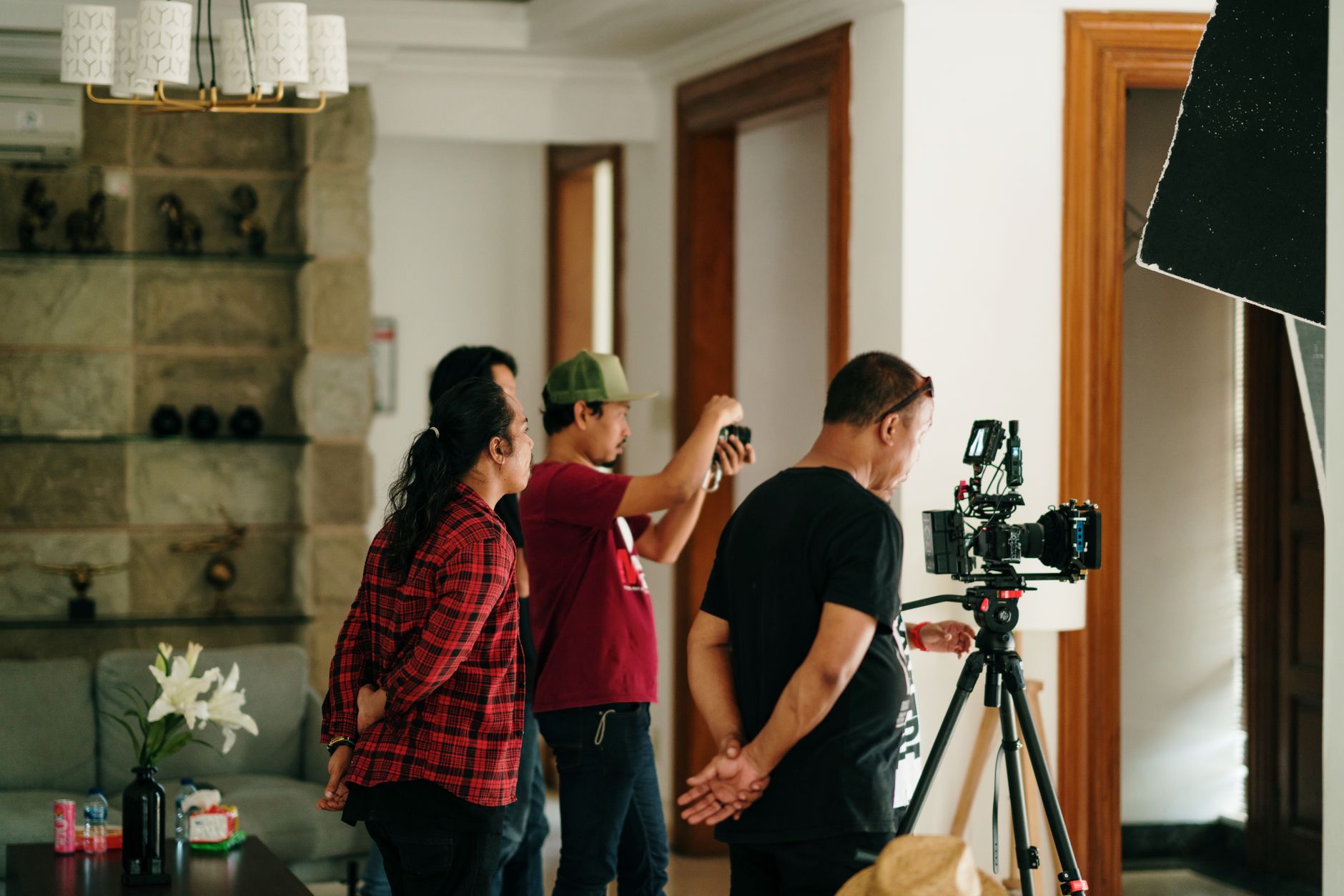
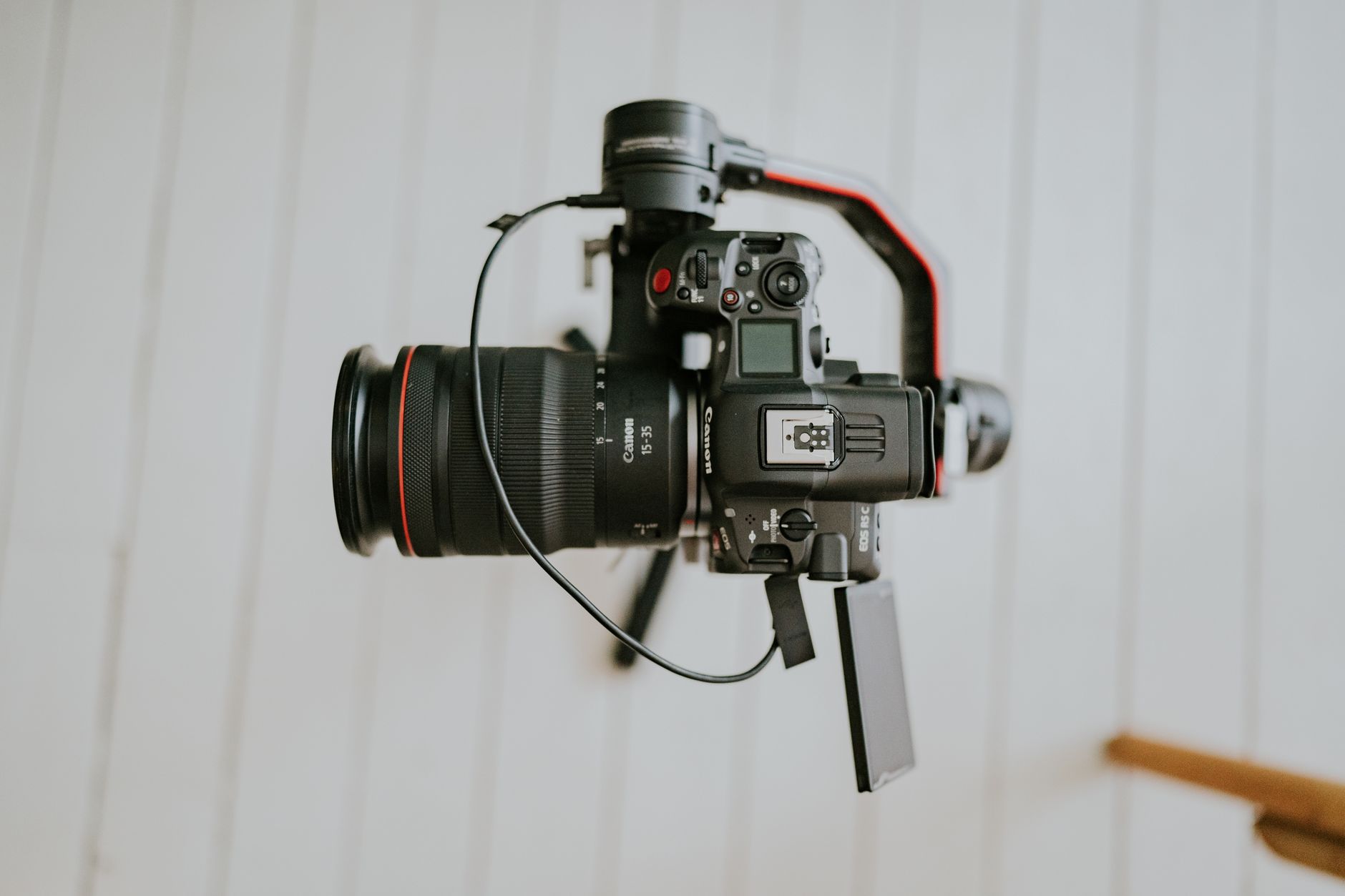
Another significant cost factor is whether you opt for gear rental or use owned equipment. Renting top-of-the-line cameras, lenses, lights, and other accessories can add up quickly, often costing thousands of dollars per shoot. Owned equipment eliminates this expense but comes with a hefty initial investment that may not be feasible for all businesses.
Baker Brothers Productions, for example, owns its gear and runs production in-house from concept to delivery, eliminating rental markups and agency layers. This allows them to offer more affordable pricing while maintaining high-quality output.
3. Turnaround Time
The speed at which you need your brand photography can also impact the cost. Faster turnarounds typically require more resources, such as additional staff, equipment, or overtime pay. These increased costs are then passed on to the client in the form of higher pricing.
Conversely, slower turnarounds allow for more efficient use of resources and result in lower costs. However, they may not be feasible if you have tight deadlines or need to respond quickly to market changes.
4. Complexity of Shoots
The complexity of the shoot itself is another cost factor. More complex shoots require more time, equipment, personnel, and post-production work, all of which increase the overall cost of the project. This includes factors such as multiple locations, large teams, special effects, or extensive retouching.
For example, a simple product shot may only require a few hours of work and minimal editing, while a complex campaign shoot involving multiple locations, models, and specialized equipment could take weeks to complete and require extensive post-production work.
5. Experience and Reputation
Finally, the experience and reputation of the photographer or production team play a significant role in determining costs. More established photographers with proven track records often command higher fees due to their expertise, network, and ability to deliver high-quality results consistently.
However, this doesn't mean that emerging talent shouldn't be considered. In some cases, working with an up-and-coming photographer can provide more value for your budget while still delivering exceptional work.
Make Informed Decisions About Your Brand Photography Budget
Understanding these cost factors will help you make informed decisions about your brand photography budget. By weighing studio against location, rental against owned gear, turnaround time, shoot complexity, and the experience of your team, you can balance quality against cost and invest where it matters most for your brand.