
Most brands get surprised by commercial video costs not because they didn't budget — but because they budgeted for the wrong line items. The shoot day is visible. The things that make or break the shoot aren't.
Here's what actually drives the number.

Pre-Production
Concept development, scripting, storyboarding, location scouting, casting, prop sourcing — this work often represents 30 to 40 percent of a project's total cost, and it's the first thing brands try to cut. That's backwards. The less time spent in pre-production, the more expensive the shoot day gets. Unclear creative direction burns hours on set that cost far more per hour than a week of planning would have.
Crew Size and Specialization
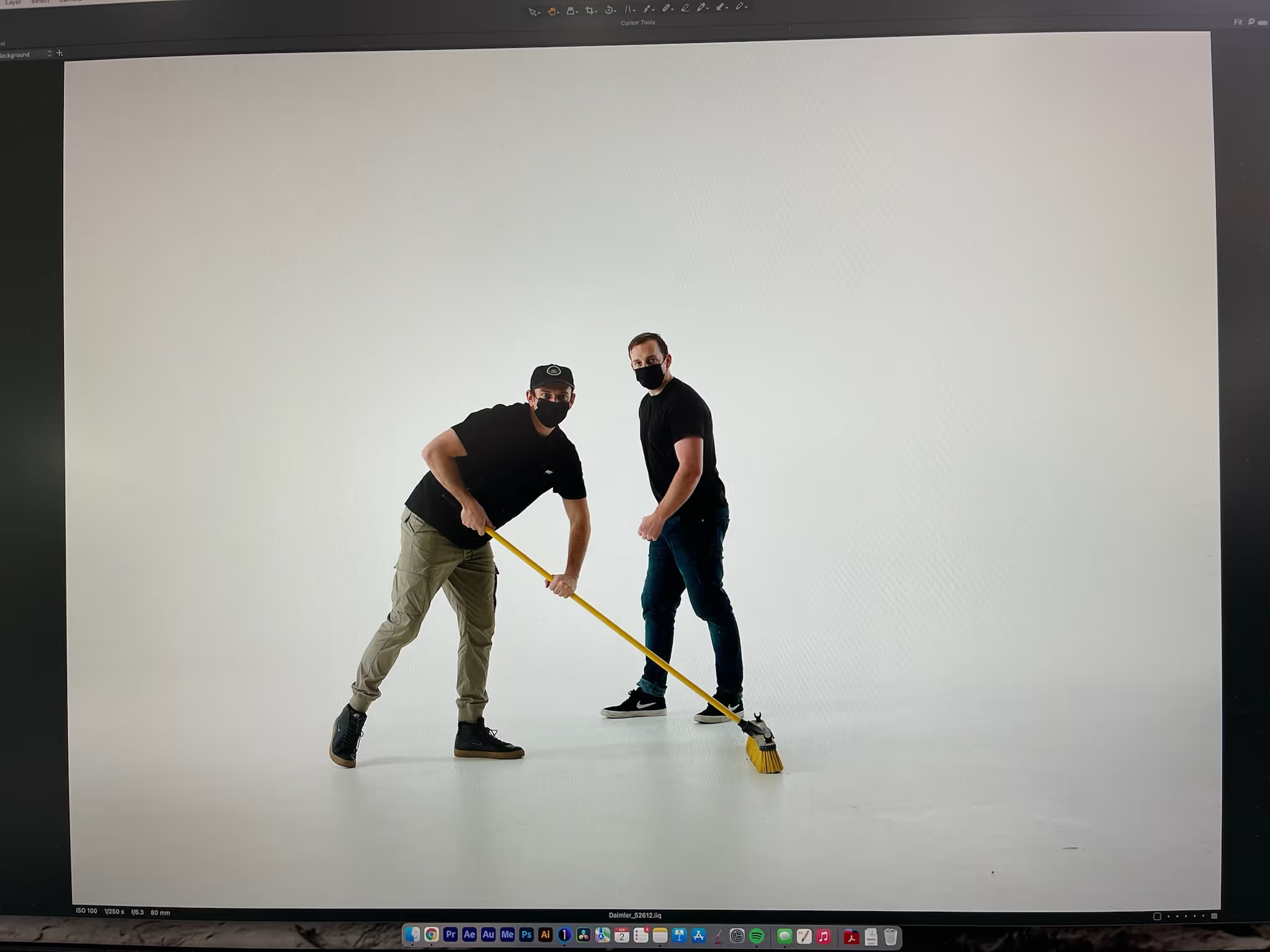
A solo cinematographer with a gimbal and a lighting kit is not the same crew as a director, DP, gaffer, grip, and AC. Both are "video production." The difference shows up in how much control you have over the final image and how much you can push the scope of what you're shooting on a given day. Bigger crews cost more but also unlock more. Smaller crews move faster and are leaner, but they narrow what's achievable on set.
Owned vs. Rented Equipment
Rental fees are often invisible in proposals until the invoice arrives. Camera packages, lenses, lights, grip, audio — a single shoot day can carry $1,500 to $5,000 in rental costs before a frame is captured. Production companies that own their gear can quote more predictably because they're not subject to rental market availability or markup.
Location vs. Studio
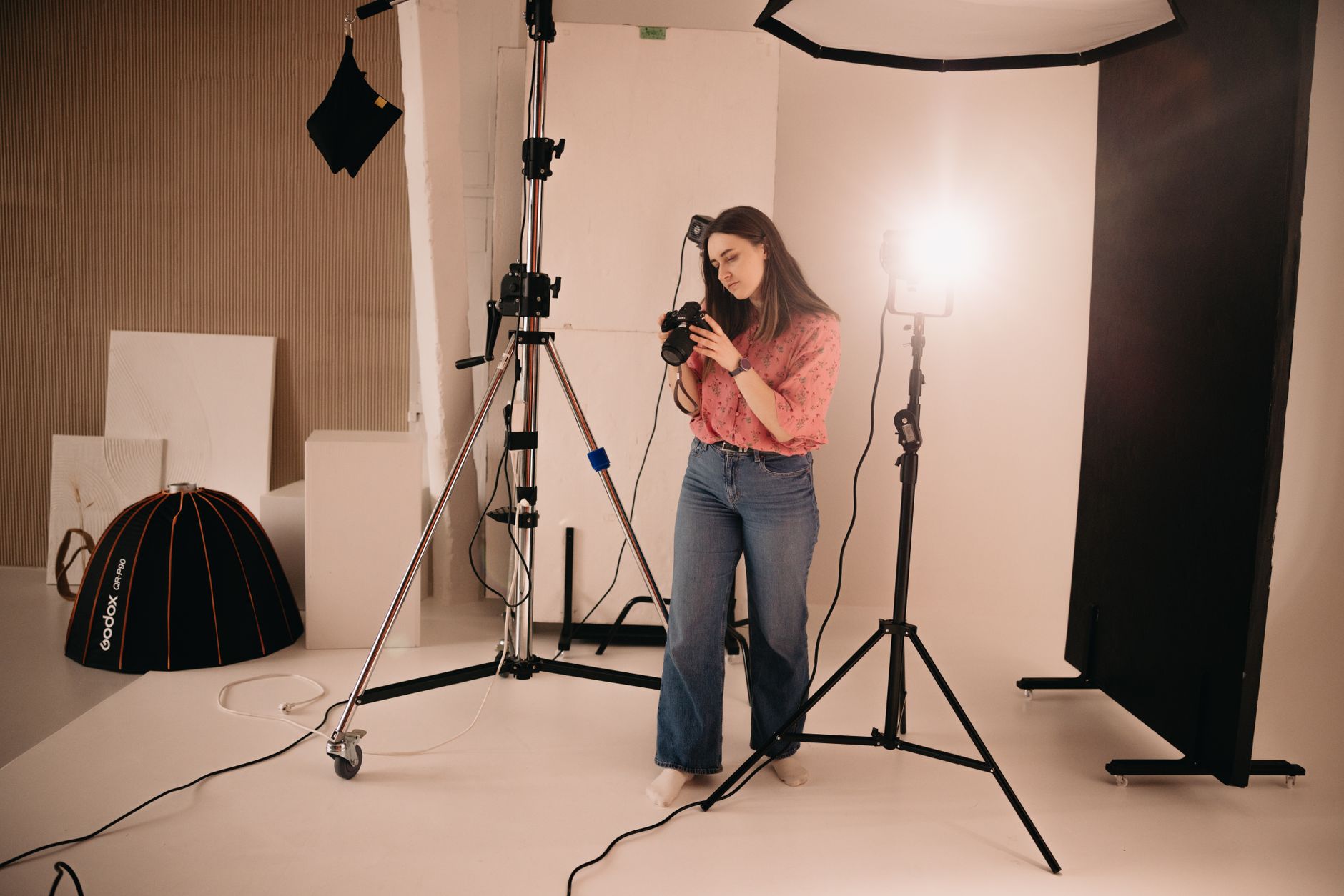
Location shoots add travel, permits, and logistics — and introduce variables like weather, ambient noise, and changing light that a controlled studio environment doesn't. Studio time has a clear day rate. Location shoots have a day rate plus a tail of potential additional costs. Neither is categorically better; they serve different creative goals. The cost difference is real and worth accounting for at the brief stage, not after a proposal comes in.
Post-Production Complexity
Editing, color grading, sound design, music licensing, motion graphics, format delivery — post is where budget disappears quietly. A straightforward edit of a talking-head interview is a different scope than a multicam product spot with heavy color work and custom motion graphics. The number of deliverables matters too: one master cut is not the same as a master cut, six social crops, and a :15 cutdown. Deliverable count should be in the brief before pricing, not negotiated after.
Revision Rounds
Unlimited revisions isn't a real offer — it's a signal that revisions are built into an inflated rate, or that scope wasn't defined clearly enough to know what done looks like. Well-scoped projects with clear creative alignment use fewer revision rounds. Projects that start with loose briefs use more, and those rounds cost time whether they're billed explicitly or not.
What to Know Before You Budget
The most reliable way to get a commercial video quote that holds is to arrive with a clear brief: what the content needs to do, where it's going to run, what the deliverables are, and what decisions are already made versus still open. Quotes built on that foundation are more accurate than quotes built on "we need a product video, what does that cost?"
The answer to that question is always: it depends. The factors above are what it depends on.