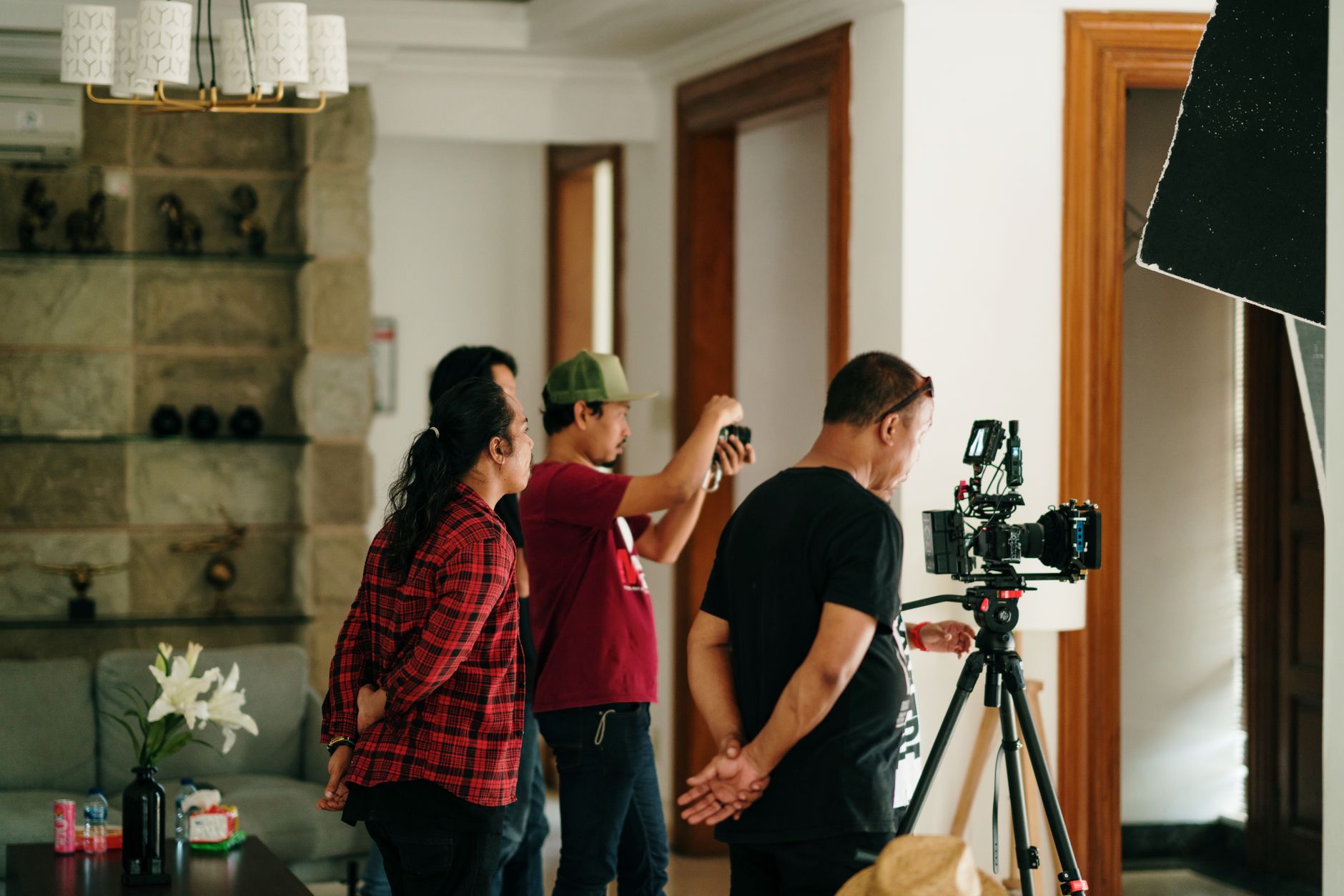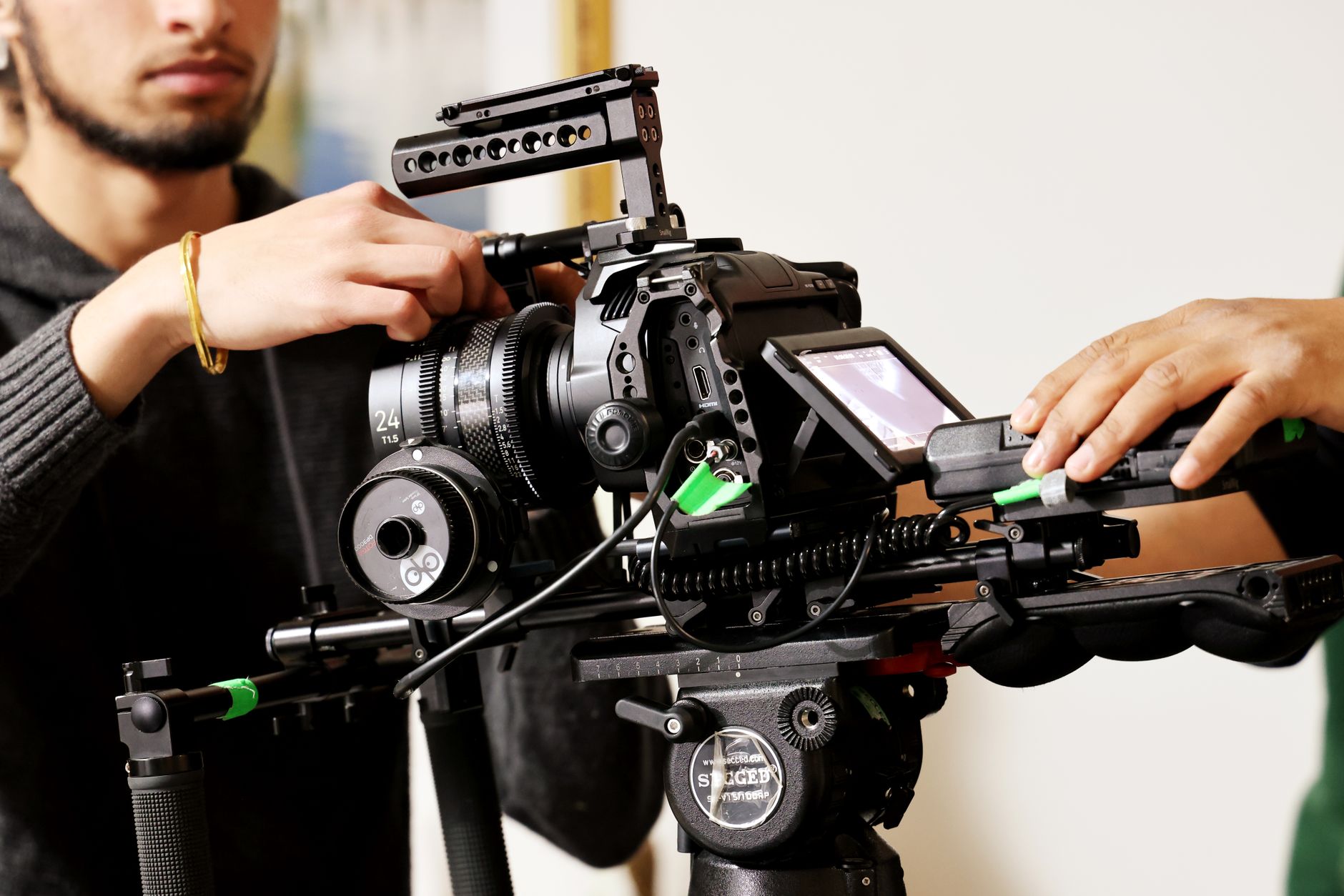
Commercial video has a reputation for being expensive, and it isn't hard to see why. Gear, studio space, crew, and talent add up fast—and traditional agency models stack markups on top of all of it. But a lot of what drives the final number is structural, which means it's also changeable. Here's what actually moves the cost of a commercial video, and how we keep ours in check.
Gear: owned vs. rented
Renting cameras, lenses, lighting, and grip for every shoot means paying a markup each time the truck rolls. We own our gear and shoot out of our own 5,000 sq ft studio, so there's no per-project rental premium baked into the estimate.
Production: in-house vs. layered
Every handoff between a client, an agency, and a production vendor adds coordination cost and time. We run production in-house from concept to delivery—the same small team handles cinematography, editing, photography, 3D, and motion graphics—which removes the layers, and the markups, between idea and final file.
Scope and deliverables
The biggest variable is what you actually need: how many finished videos, how many cutdowns and aspect ratios, whether there's motion graphics or 3D, how much pre-production and creative direction. A single hero film and a month of social cutdowns are very different line items. Scoping this honestly up front is where most budgets are won or lost.
One-off campaigns vs. consistent output
A single big-budget shoot once a year is a different cost structure than a steady stream of content. Our Ship & Shoot model—brands ship us their products, and we handle creative direction, production, photography, video, motion, and delivery—keeps channels full between major seasonal campaigns without the overhead of an internal production team or agency markups.
Who's behind the camera
Experience shows up in both the budget and the result. Baker Brothers is run directly by brothers Austin and Garrett Baker, who built and ran KEEN's internal video and motion design departments globally and have produced campaign content for brands including Nike, Red Bull, Simms, Sorel, Allbirds, Moon Cheese, LARQ, and Codigo 1530. Principal-led means the people scoping your project are the same people making it.
The takeaway: commercial video cost isn't a fixed sticker price—it's the sum of ownership, process, and scope. Control those three, and quality stops being the thing you trade away to hit a number. If you want to talk through what your content actually needs, get in touch.