
Ask three production companies to quote the same video and you'll get three numbers that differ by a factor of five. Nobody explains why. The quotes arrive as single figures, or as line items so granular they obscure more than they reveal.
Here's what's actually underneath a corporate video production cost estimate — and which line items you can move.

What drives corporate video production cost
Six things, in rough descending order of leverage. Most quotes bury all six.
Shoot days are the load-bearing number
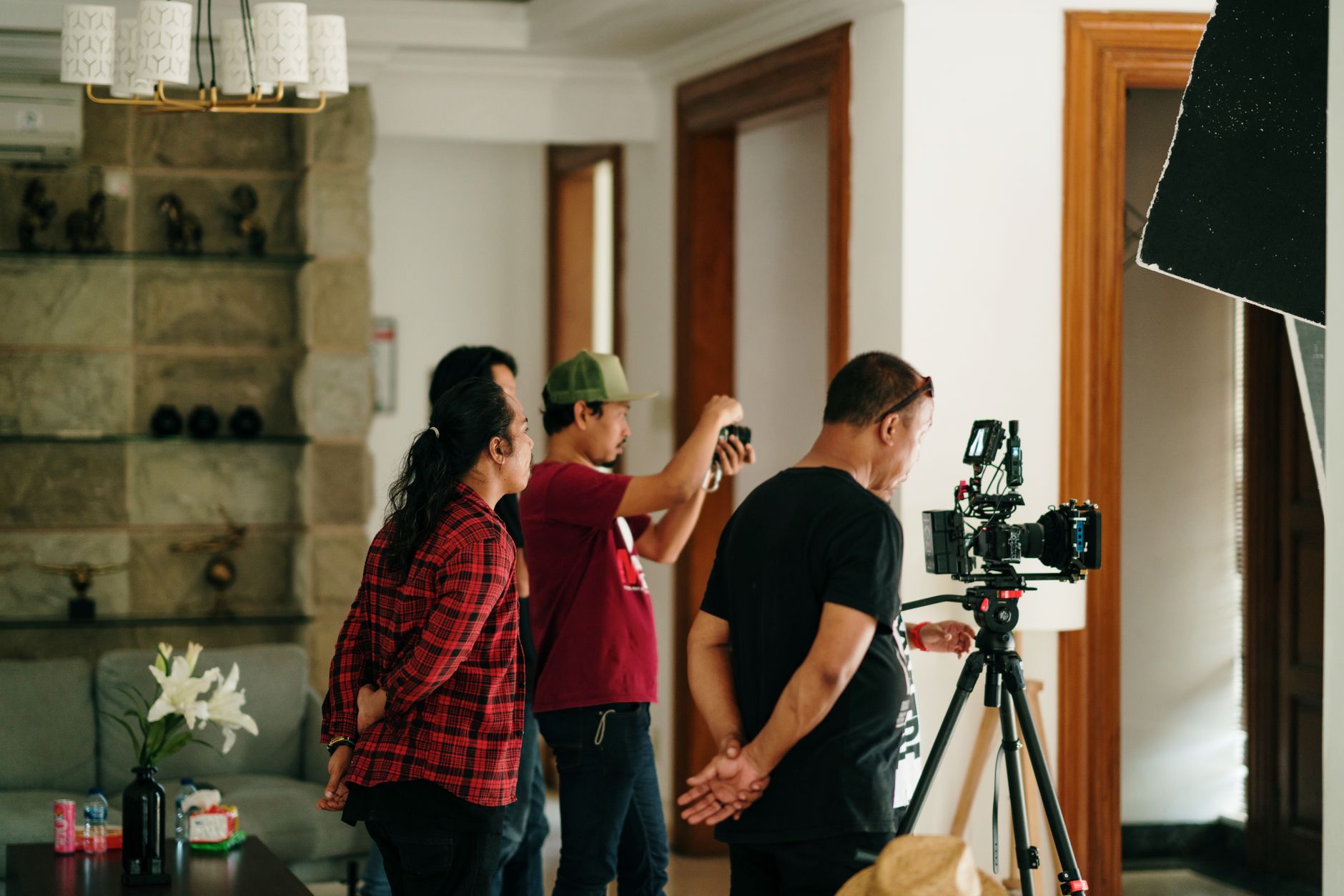
Almost everything else scales off them. A crew, a location, a rental package, and a catering bill all get multiplied by however many days you're in production. Which means the most expensive decision in a video project is usually made before anyone picks up a camera: how many days you think you need. Two days of well-planned shooting beats four days of figuring it out on set, and it isn't close.
Crew size is a choice, not a constant
A three-person crew and a twelve-person crew can shoot the same script. What changes is how fast you move, how many setups you get, and how much redundancy you have when something breaks. Bigger isn't better — bigger is faster and safer, and you should know which of those you're paying for.
Location is where budgets quietly leak
Permits, insurance riders, power, parking, a place for people to eat. A location that looks free rarely is. A studio isn't cheaper because studios are cheap; it's cheaper because it's predictable, and predictability is the thing you're actually buying.
Post-production is where the estimate breaks
Editing scales with footage, not runtime. A sixty-second spot cut from twelve hours of coverage costs more than a three-minute piece cut from ninety minutes. Color, sound design, motion graphics, and 3D each carry their own hours. And revision rounds — the line item everyone treats as free — are the single most common cause of a project going over.
Deliverables multiply
One hero video and eleven cutdowns is not one project. Each aspect ratio, each caption pass, each platform-specific version is real work. Deciding on the deliverable list before the shoot, rather than after, is worth more than any negotiation on day rate.
Ownership changes the arithmetic
Rented gear and rented studios carry markup, and that markup compounds across every day of a shoot. Owned infrastructure doesn't make the work better. It makes the number more honest, because fewer people are taking a cut of it on the way through.
The useful question isn't what does a video cost. It's which of these am I paying for, and did I choose it. A quote that can't answer that isn't a quote. It's a guess with a decimal point.