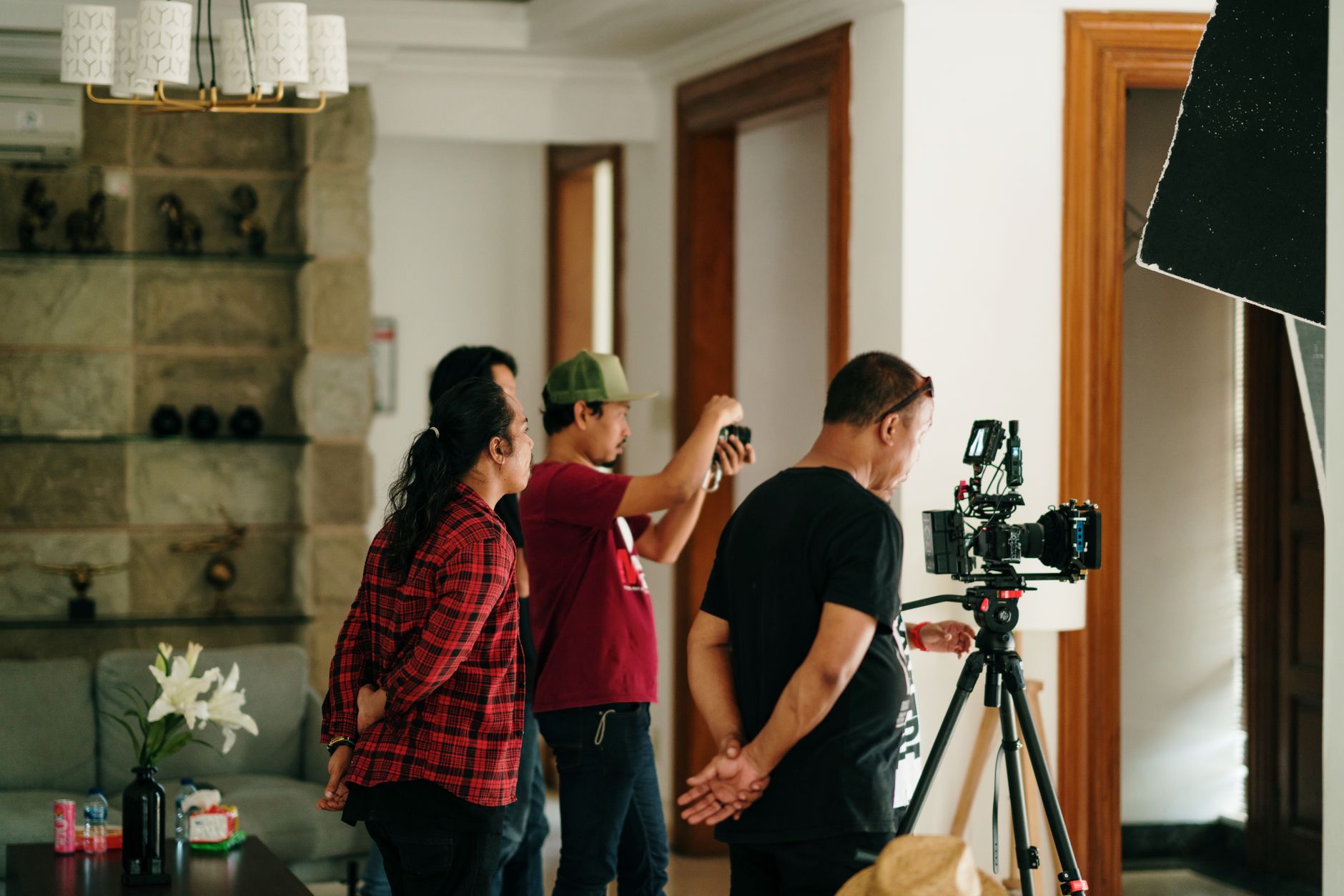
Most corporate videos don't fail in the edit. They fail in the decisions made before anyone turns a camera on — the unclear brief, the wrong thing optimized, the missing plan for what happens after delivery. The good news is that the expensive mistakes are the avoidable ones, and they're almost always about planning rather than production polish.
The first is starting without a clear purpose. "We need a video" isn't a brief. A recruiting video, a product explainer, and a brand film are different objects with different audiences, lengths, and tones, and a video trying to be all of them lands as none of them. Deciding what one job the video has to do — before the shoot — is what keeps it from being expensive and forgettable.
The second is spending in the wrong places. Companies often pour the budget into a single showpiece and have nothing left for the ten smaller pieces that actually get used week to week. Or they save on the things that matter most — sound, lighting, a clear script — and it shows immediately. Cheap production values read as a company that doesn't take itself seriously. The fix isn't spending more; it's spending on what a viewer actually notices.
The third is underestimating what production takes. Even a short, polished piece involves more time than most timelines assume — planning, shooting, editing, revisions. Teams that discover this halfway through end up rushing the edit, which is where quality quietly dies. Knowing the real timeline up front, or working with a team that can produce consistently without the scramble, prevents the last-minute compromises.
The fourth is thinking in one-offs. A single big video is a moment; a brand needs a steady supply of content, and commissioning each piece from scratch is slow and expensive. The companies that get the most from video treat it as an ongoing stream rather than an occasional event — which is what Baker Brothers' Ship & Shoot is built for: consistent production from one team, so the channels stay full without restarting from zero each time.
The last is forgetting where the video will actually live. A beautiful film cut only for a landing page, never sized for the feeds where people spend their time, is a film most of the audience never sees. Deciding the destinations before the shoot — what gets cut for where — is the difference between a video that performs and one that just exists.
None of these are exotic. They're the ordinary ways good intentions turn into a video nobody watches. Get the purpose clear, spend where it shows, respect the timeline, plan for a stream rather than a single swing, and cut for where it will actually run — and most of what goes wrong with corporate video never gets the chance to.