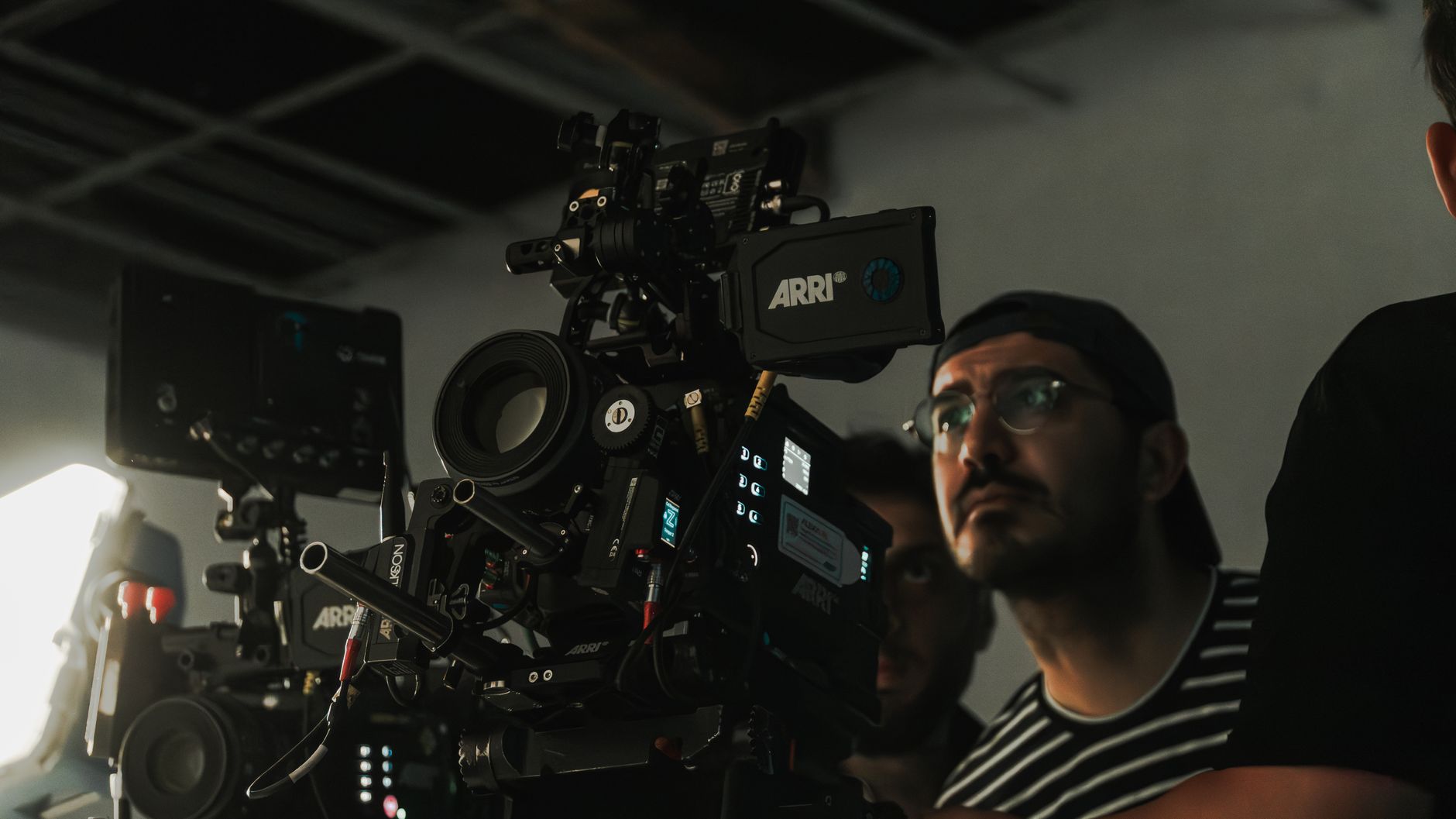
Two videos can run the exact same fifteen seconds and cost ten times apart. Runtime is the number clients fixate on and the number that explains the least. What actually sets the price is what category of video it is — and each category is built differently before a single frame gets shot.
The hero brand film
This is the video built to carry a launch, a campaign, or a homepage for a year or more. It earns the largest share of pre-production — concepting, storyboarding, casting, location scouting — because it has to hold up under repeat viewing and represent the brand at its most considered. Crew is typically fullest here: director, DP, gaffer, grip, sound, sometimes a stylist. Post-production runs deep too — color grading, sound design, often original music. Every part of the process is built for a small number of deliverables that need to be exactly right, not a large number that need to be fast.
The social cutdown
A cutdown isn't a smaller version of the hero film's process — it's a different process entirely, usually happening downstream of a bigger shoot rather than as its own production. The cost here lives almost entirely in editorial: reformatting for vertical, recutting pacing for a feed instead of a screen, sometimes recutting the same footage six different ways for six different placements. Because it draws from existing footage instead of a new shoot day, the marginal cost of each additional cutdown is low — which is exactly why batching cutdowns from one shoot is more efficient than commissioning them one at a time.
The evergreen product or demo video
This category trades performance for clarity and shelf life. Simpler crew, tighter shot list, often a controlled studio environment rather than a location — because the job is to show a product clearly and consistently, not to make a cinematic statement. Post-production is lighter too: less color work, more focus on legibility, captions, and pacing that holds attention without needing a story arc. The lower production complexity is what makes this category cost less per minute than a brand film, not lower ambition.
Why batching changes the math
The most efficient content operations don't treat every video as its own shoot. A single well-planned production day, shot with a clear list of what each deliverable needs to become downstream, can produce a hero cut, a handful of cutdowns, and a set of evergreen library clips from one call sheet. The pre-production and crew costs get shared across all of it. Commissioning the same volume as separate one-off shoots pays for that overhead every single time instead of once.
What to know before asking for a quote
The useful question isn't "what does a video cost." It's "what category of video is this, and what else can we get out of the same shoot day." Naming the deliverable type upfront — hero, cutdown, or evergreen — and asking what else the same production day could reasonably produce is what turns a single-video budget into a quarter's worth of usable content.