The pitch for subscription content is always the same three words: predictable, steady, cheaper. Which is useless, because every model claims all three.
Here are the actual numbers on a monthly content subscription cost, how the math works, and the cases where it's the wrong call. If you're weighing this against an agency or an internal hire, that last part is the one worth reading.

What the model actually is
You ship product to a studio. They shoot it, cut it, and deliver it — stills, video, motion — on a recurring monthly cadence. No scoping call per project. No SOW per asset. No three-week gap between deciding you need something and someone picking up a camera.
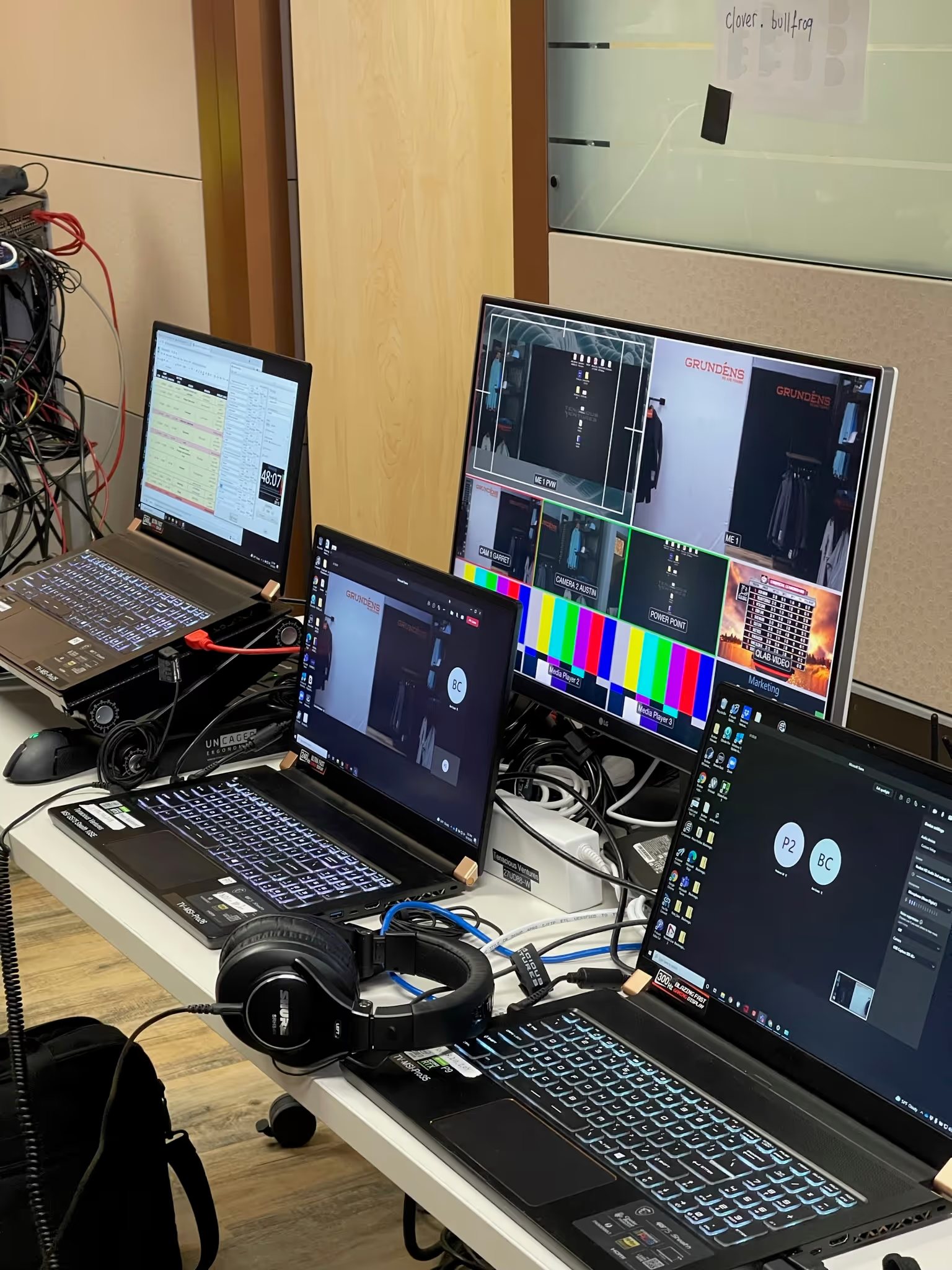
Our version is Ship & Shoot: brands send the product, we handle creative direction, production, photography, video, motion, and delivery from our own 5,000 sq ft studio. The reason that matters isn't square footage. It's that nothing gets rented, so nothing gets marked up on the way through.
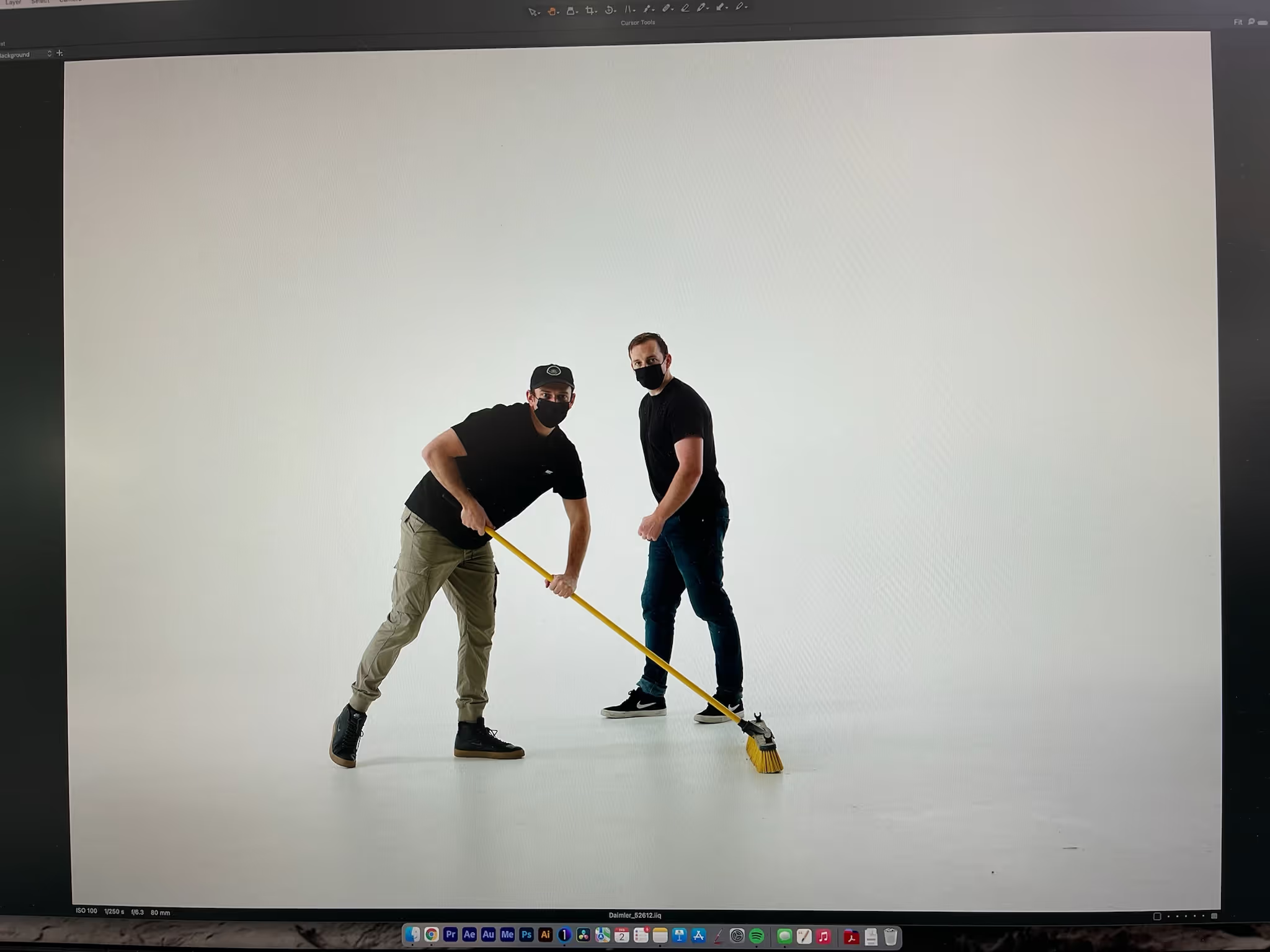
Where the model came from: before going independent, Austin and Garrett spent six years building and running KEEN's internal video and motion design departments globally. Since then the studio has produced campaign content for Nike, Red Bull, Simms, Sorel, Allbirds, Moon Cheese, LARQ, and Codigo 1530 — mostly footwear, outdoor, and CPG/beverage. Ship & Shoot exists because we kept watching good brands go quiet in the months between campaigns, not for lack of budget but for lack of a standing way to make things.
What a monthly content subscription cost actually looks like
Ours runs $10K–$30K per month across three tiers — The Reel, The Launch, The Campaign — with a four-month minimum.
The spread isn't a haggling range. It's output volume: how many SKUs, how many finished pieces, how many channel-specific cuts, whether motion and 3D are in scope. The Reel is a steady social drip. The Campaign is a launch with everything attached. Most brands sit in the middle and don't know it until they count what they actually publish in a quarter.
Why there's a minimum, honestly
Month one is the expensive one, and it's expensive on our side. We're learning your product — how it reflects, how it sits, which angle makes it read at thumbnail size, what your team means when they say "cleaner." That knowledge doesn't exist yet and it can't be rushed.
By month three, the same shoot takes less time and comes out better, because nobody's rediscovering the basics. A four-month minimum isn't a lock-in tactic. It's the point where the model starts working the way it's supposed to. A one-month subscription would be a project with extra steps, and we'd both be disappointed.
When this is the wrong call
Skip it if you need one hero film a year. Project pricing exists for exactly that, and you'll pay less.
Skip it if you need a specific director's eye — a particular look you've seen and want replicated. Go hire that person. A subscription buys consistency, not auteurship, and pretending otherwise wastes your money.
And skip it if you don't have a content plan yet. This is the one that actually burns brands. A subscription turns "what should we make" into a monthly question with a deadline attached, and if nobody on your side can answer it, you'll spend real money producing assets nobody had a use for. Sort out what you're feeding and why, then buy the machine to feed it.
When the math works
Steady need. Multiple SKUs or a product line that keeps moving. Channels that go quiet between seasonal campaigns and shouldn't. A marketing lead who knows what they want published in ninety days.
Under those conditions the per-asset cost lands well under project work, mostly because you're not paying to re-onboard a new team every time. The compounding is real: the fifth month is better than the first for reasons that have nothing to do with effort.
What to actually compare it against
Not day rates. Day rates are the least useful number in any production budget.
Compare total annual output against total annual spend, including the parts nobody invoices: the hours your team spends briefing, the gaps where channels went dark, the reshoots because the first pass missed. Then compare that to an internal hire — salary, gear, studio time, and the fact that one person can't be a DP, an editor, and a motion designer.
The number that matters is what a year of finished, on-brand content costs you, and how much of your own time went into getting it. Everything else is a rate card.