Plan footwear product video and photography from one shared brief, but do not treat stills as frames pulled from a video. The product, set, talent, and visual idea can be shared. The shot design, lighting, timing, and final formats need their own decisions.
The goal is a coherent asset family: every image and clip should look like it belongs to the same launch while doing a specific job in paid, organic, ecommerce, retail, or sales.
Start with the product truths
Before discussing cameras or locations, decide what the audience must understand about the shoe. That may include silhouette, materials, construction, fit, cushioning, traction, color, or how it moves in use. Keep the list tied to approved product claims.
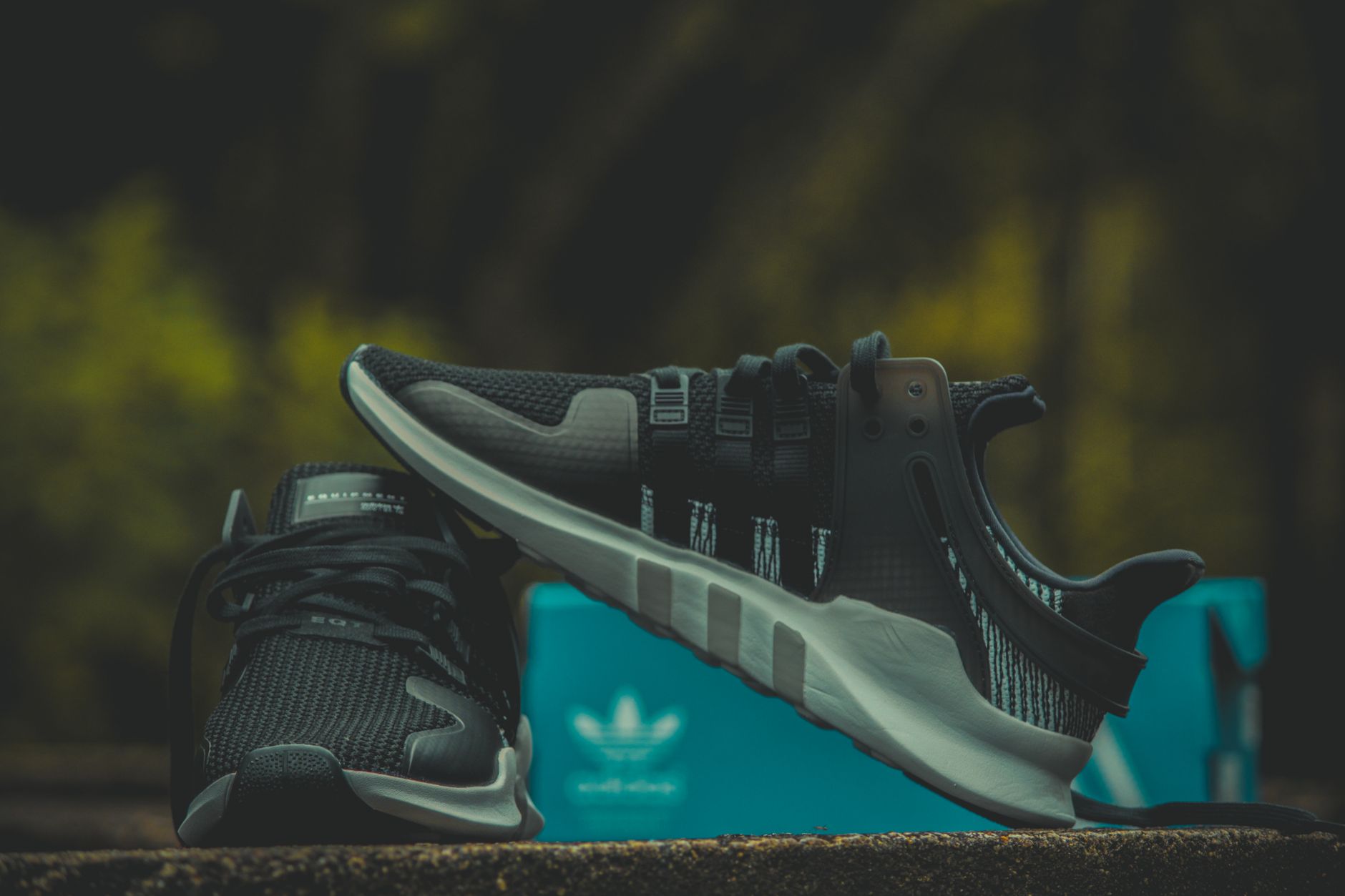
Turn each truth into visible evidence. If flexibility matters, show the shoe bending under a relevant movement. If a material detail matters, plan a close still and a moving macro shot. If color is the story, control the background and wardrobe so the product remains the focal point.
Build one matrix for both mediums
Create a planning grid with the product truth on one axis and the required placement on the other. For every intersection, decide whether the job is best handled by a photograph, a video clip, or both.
- Ecommerce: accurate angles, details, scale, and consistent product representation.
- Paid social: an immediate visual idea, alternate openings, readable crops, and a clear product payoff.
- Organic: process, context, movement, and sequences that can support an editorial calendar.
- Retail and sales: approved product views, feature evidence, and layouts that leave room for copy.
This is the same placement-first logic used to turn one product shoot into a month of assets. It prevents a long shot list from hiding obvious coverage gaps.
Design shared setups, not identical shots
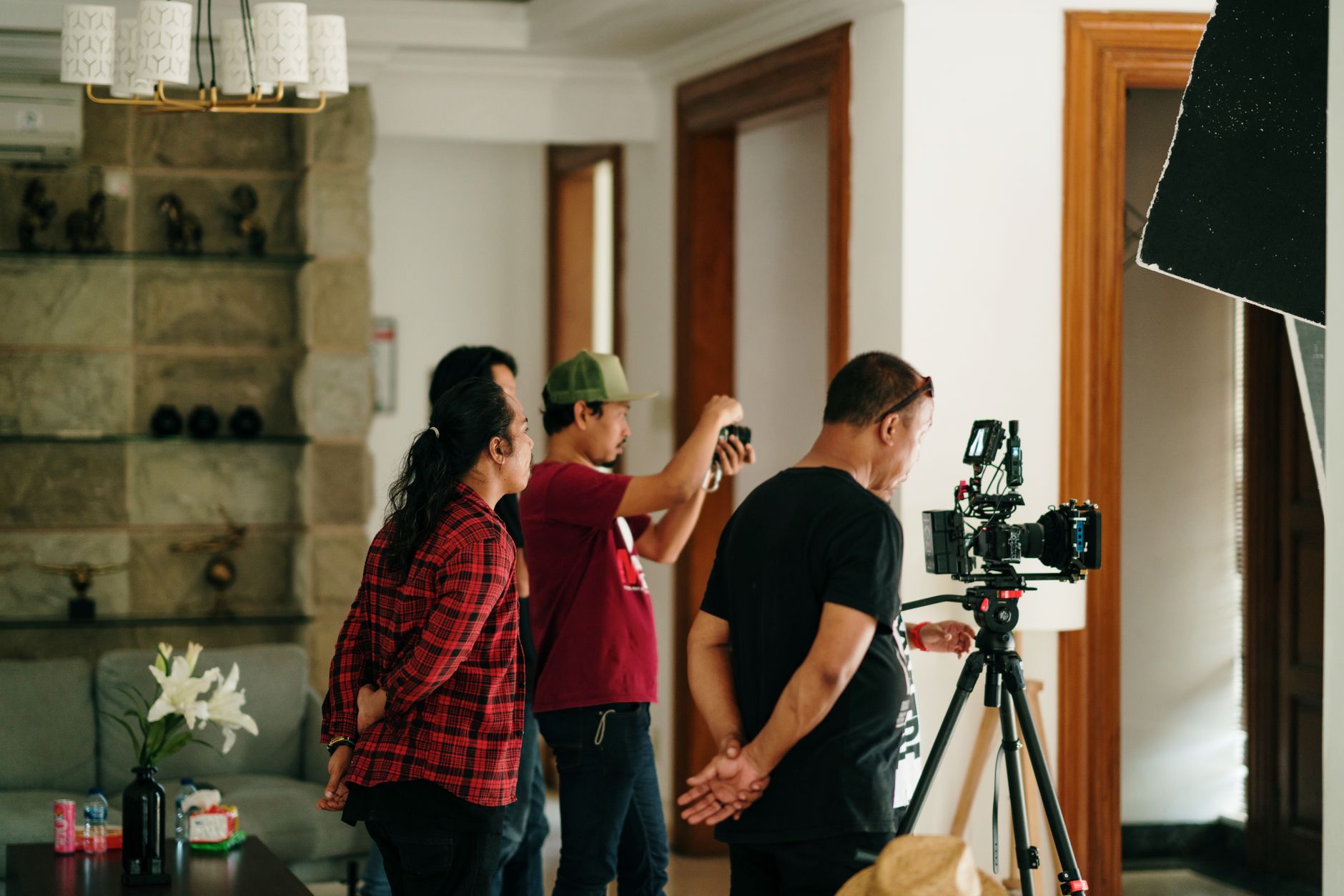
A shared setup can support both crews without forcing them to work the same way. A video shot may need an entrance, action, and exit. A still may need a precise gesture, clean product shape, and enough resolution for multiple crops. Video lighting must hold through movement; stills can be refined for a single moment.
Group the schedule by setup: clean product, worn detail, full-body movement, material macro, packaging, and any environmental scenes. Within each setup, list the motion coverage and still coverage separately. That makes the handoff clear and reduces the chance that one medium gets whatever time remains.
Protect continuity
Footwear shows wear quickly. Track which pair is the beauty product, which pair can be worn, and which pair can handle dirt, water, bending, or repeated action. Photograph the starting condition. Keep backup laces, packaging, inserts, and approved styling references with the product.
Wardrobe, sock height, lacing, pant break, surfaces, and product orientation should match across connected scenes. Small continuity errors become obvious when a shopper moves from a product page to a video or retailer listing.
Plan for motion and crop at the same time
List the required aspect ratios before the shoot. A wide running shot may lose the shoe in a vertical crop. A tight vertical composition may not leave enough room for a horizontal headline. Compose important actions for the placements that will actually use them, and capture a clean alternative when one frame cannot serve both.
For video, plan complete actions and useful handles around them. For photography, plan hero frames, clean details, in-use moments, and compositions with intentional negative space. The article on how many photos a brand shoot needs explains why the count should follow the marketing jobs, not an arbitrary delivery target.
Set the production order around the hardest constraint
Schedule the work that depends on a specific condition first. That could be exterior light, a clean product, a particular location, talent availability, or a practical effect. Then place flexible tabletop and detail work around it.
If video and stills share talent or a set, decide who has priority for each block. Simultaneous capture can work when the teams do not interfere with each other. More often, alternating in planned blocks gives each medium the control it needs without rebuilding the set.
Define the handoff before production
The brief should name each deliverable, placement, orientation, duration or dimension, caption treatment, product version, and approval owner. It should also state how files will be named and grouped in the final library.
Review video selects and photo selects against the same matrix. Look for missing product truths, repeated ideas, inconsistent styling, and placements with no approved asset. A good combined shoot is not simply efficient on set. It leaves the brand with a usable system of still and motion assets that agree with one another.