A product brand should reshoot when its existing footage cannot accurately show the current product, communicate the required idea, or meet the intended placement and usage requirements. Create new cutdowns when the source material still supports the job and the problem is the edit. Use a targeted pickup when a specific missing shot can complete otherwise usable material.
The decision starts with what the next asset must prove, not how old the last campaign is. A new opening can change an edit. It cannot show a product feature that was never captured, correct every outdated package, or make an unusable composition fit a different placement.
Define the next asset before judging the old footage
Write down the product version, audience, single message, required evidence, placement, format, usage period, and approval owner. Identify which parts of the current work must remain consistent and which are allowed to change.
Then compare the source library with those requirements. Review original clips, alternate takes, clean product views, demonstrations, and stills—not just the finished campaign video. Material omitted from the hero edit may still answer the new brief.
This is a different decision from planning how many cutdowns a hero video needs. First establish whether the source can do the job. Only then decide how many useful edits to make.
Choose a re-edit when the evidence already exists
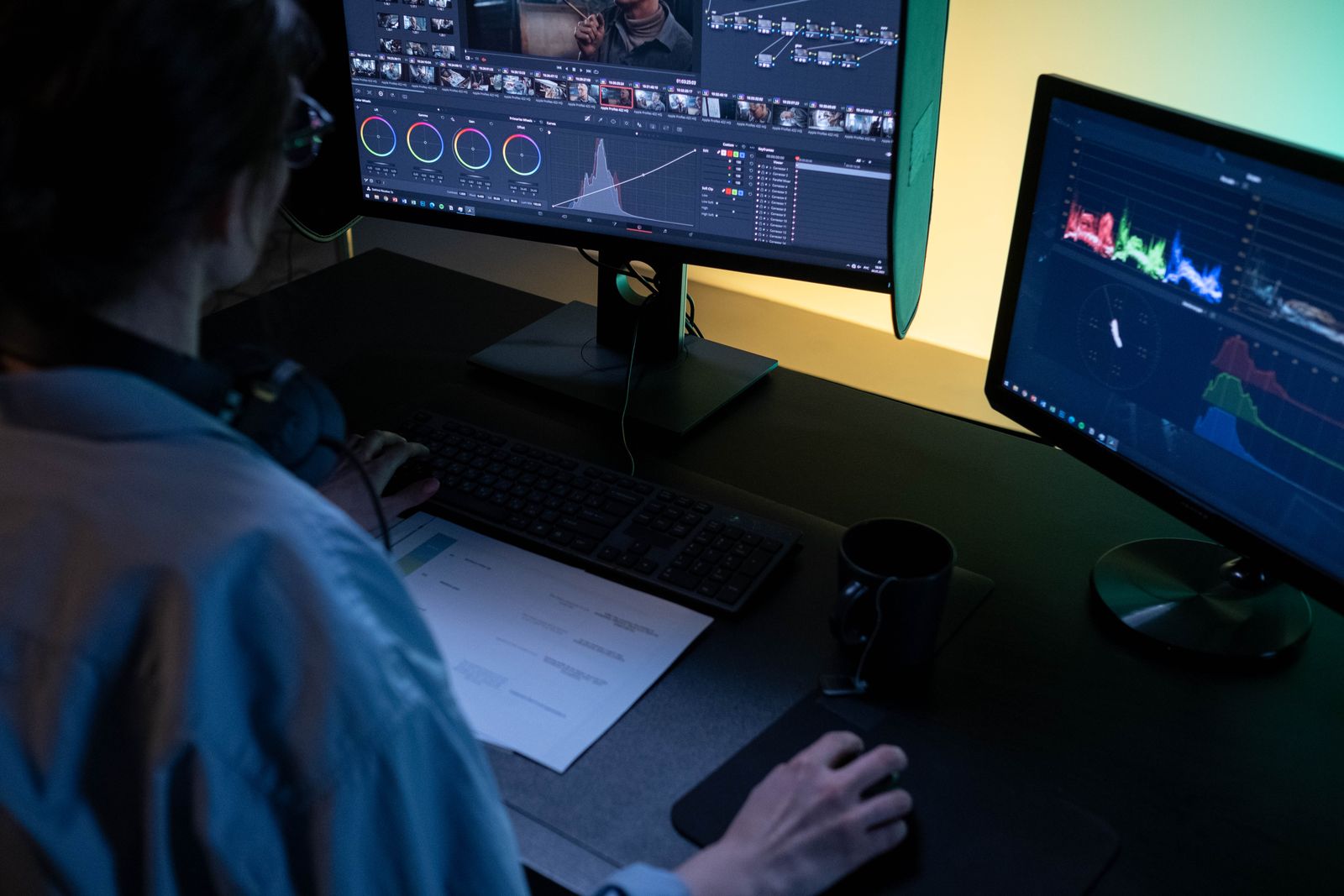
Stay in post-production when the product remains accurate, the necessary actions are available, the footage meets the intended format, and usage permissions cover the new use. The editor should be able to explain how the proposed sequence answers the brief using identifiable source clips.
Useful changes may include a different opening, a shorter sequence, a clearer demonstration, a new emphasis, approved captions, or a different ending. A cutdown can focus on one point rather than compressing the whole campaign story.
For example, unused close-ups and a complete product demonstration may support a new feature-led edit without another shoot. By contrast, repeatedly trimming the same opening does not create new product evidence. The wider process for refreshing paid-social creative between campaigns helps separate edit-level changes from a new production requirement.
Use a pickup when the gap is bounded
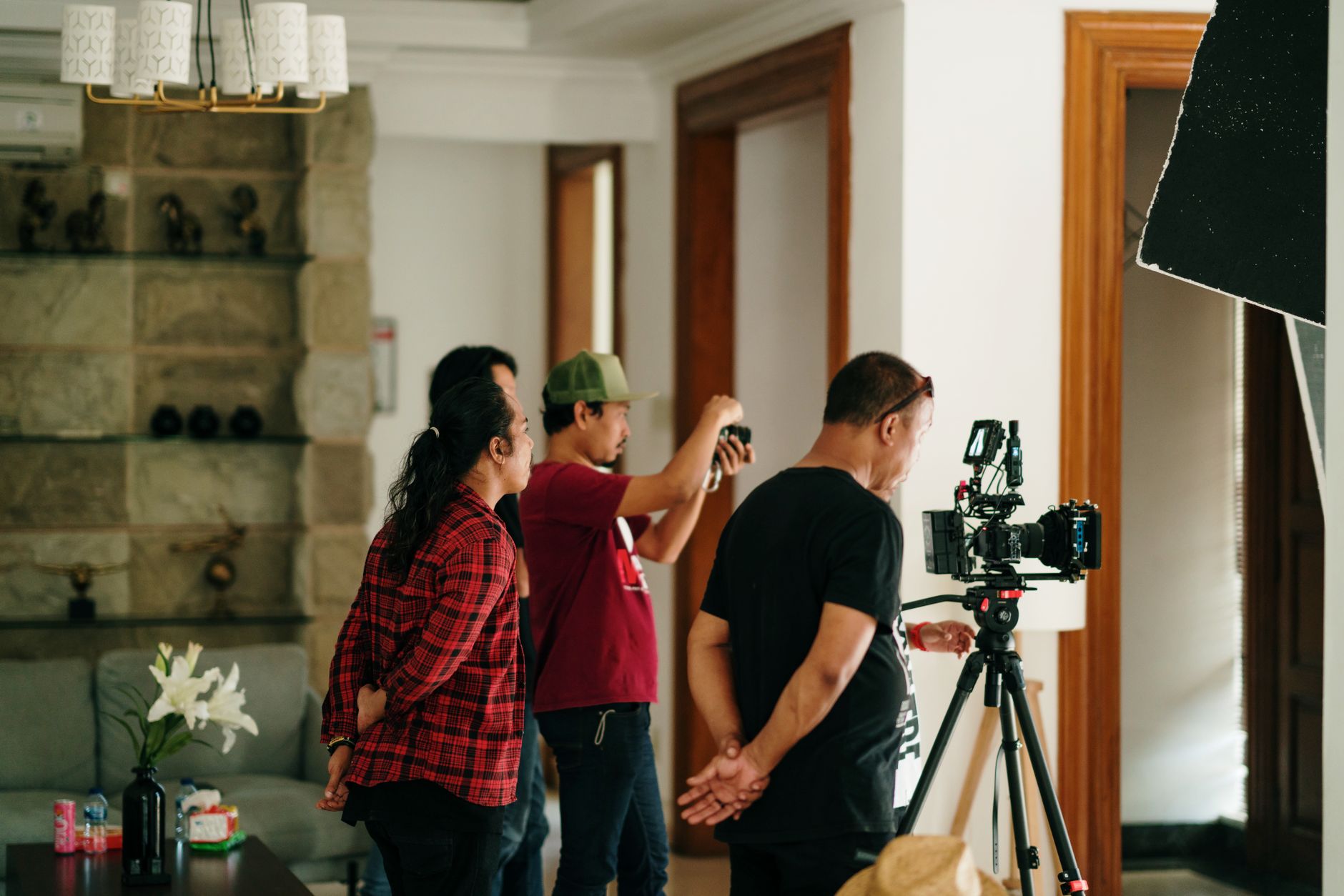
A pickup is a focused capture session that supplies a missing piece. It can make sense when the original material remains useful but needs a current packaging view, a clearer hand interaction, a dedicated vertical action, or a clean ending.
Define the missing shot precisely. Include the product version, action, framing, lighting reference, styling, continuity requirements, and how the shot will connect to existing material. Check whether the set, talent, props, or conditions can be matched well enough for the intended edit.
A hypothetical packaging update illustrates the boundary. If the label is visible only in replaceable product inserts, new inserts might complete the edit. If the old packaging appears throughout a connected demonstration, isolated replacements may not solve the problem. Map every affected shot before deciding the pickup is small.
Reshoot when the underlying material no longer fits
A full reshoot becomes the stronger option when the problems cannot be isolated without rebuilding most of the work. Common reasons include:
- Product accuracy: The design, packaging, construction, operation, or approved product story has changed across essential scenes.
- Missing proof: The new brief depends on a demonstration, use case, or interaction absent from the source library.
- Unsuitable capture: Essential actions are obscured, out of focus, too tightly framed, or otherwise unable to meet the required output.
- Changed context: The setting, season, styling, or audience context conflicts with the intended campaign rather than merely feeling familiar.
- Continuity problems: New material would require recreating so much of the old setup that a coherent replacement is more practical.
- Unavailable usage: The planned use is not covered by confirmed permissions and cannot be resolved through the appropriate rights holder.
Usage questions should be checked against the actual agreements with the responsible brand, producer, or rights adviser. Do not assume possession of a source file means permission for every future channel, territory, or term.
Do not treat a performance drop as a reshoot instruction
Ask the media team what changed, in which audience and placement, and across which assets. A performance change alone does not establish that the footage is the cause. Delivery, audience, offer, destination, and measurement may also need investigation.
Make the proposed creative change explicit: a new opening, different evidence, a clearer product view, or another use context. If nobody can name what new footage would resolve, the reshoot brief is not ready.
Compare complete scopes, not editing against a shoot day
Request comparable scopes for the viable routes. A re-edit may require source recovery, selects, graphics, sound, retouching, and approvals. A pickup may require product preparation, continuity matching, crew, capture, and integration. A reshoot adds the planning and production needed for the replacement system.
No route is automatically cheaper or faster in every case. Compare the work, dependencies, review load, delivery dates, and assets each route will actually produce. Exclude footage that cannot be used accurately or with confirmed permissions before making the comparison.
Finish with a source-to-gap decision record
For each required asset, record the usable source, the missing evidence, product-accuracy concerns, format limitations, usage checks, proposed route, and approval owner. Separate confirmed facts from assumptions that still need a test or decision.
A searchable asset library organized by product, action, and use makes this review practical. When the source exists, cite it. When it does not, describe the capture needed instead of asking for vaguely fresher content.
Choose a re-edit when the source can still tell the truth and do the job. Choose a pickup when one defined gap stands in the way. Reshoot when the product, evidence, or visual system needs rebuilding. The decision should be clear enough that the brand, editor, and production team can all explain what the next round of work is meant to solve.