Two production companies can quote the same day rate, use similar gear, and deliver wildly different work. The difference usually isn't talent. It's structure — how the team is organized internally shows up directly in what they're willing to attempt on a shoot day, and that's a decision made long before any client brief arrives.
Layers slow down creative risk
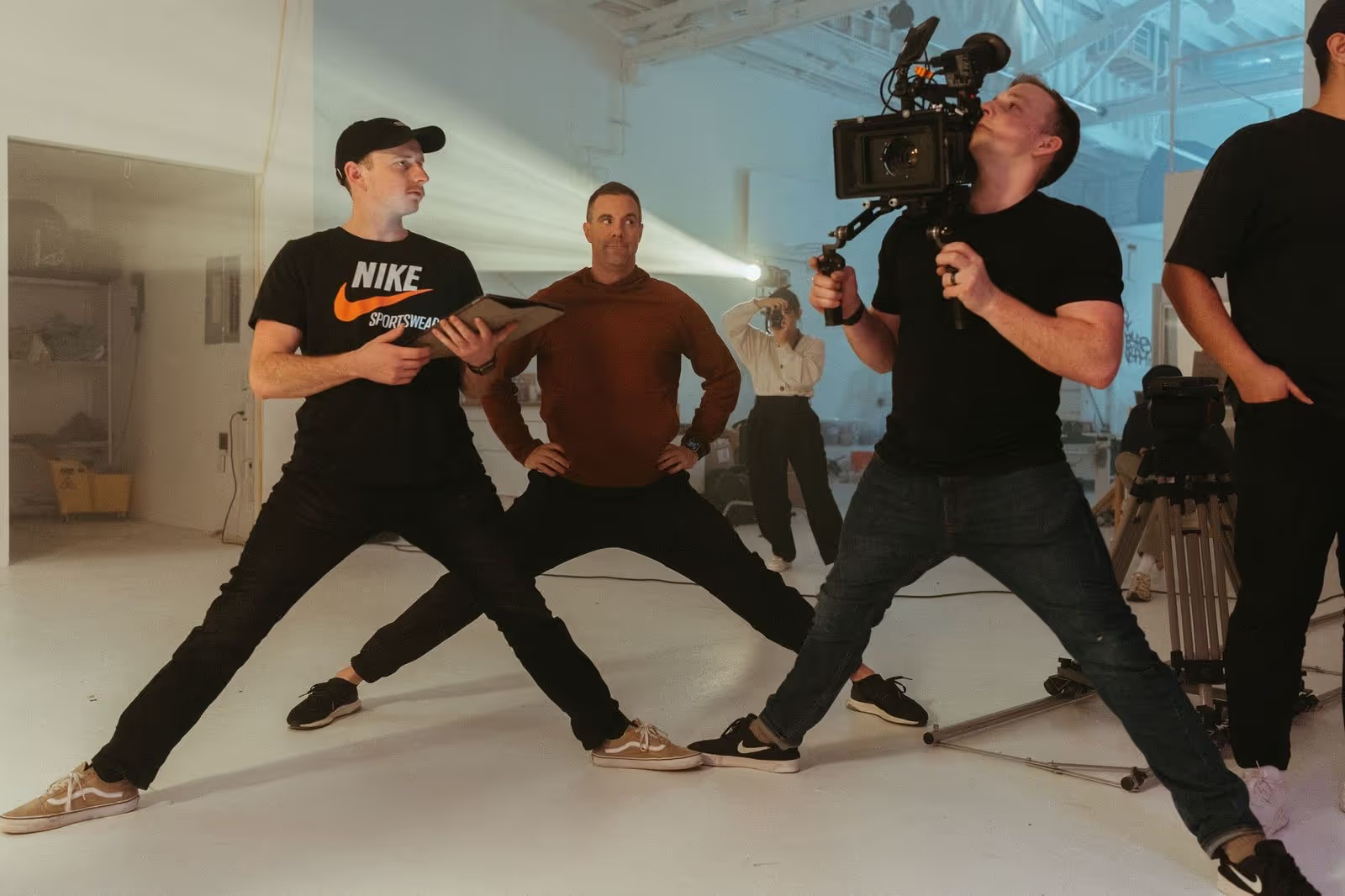
A production run through an account manager, then a producer, then a creative lead, then a crew has to route every on-set idea back through that same chain before it can be approved. That chain isn't inherently bad — it exists to manage risk on large productions — but it makes spontaneity expensive. An unplanned idea that would take five minutes to try becomes a conversation, an approval, and a delay. Small integrated teams collapse that chain. When the person with the creative authority is standing on set, a good idea can get tried in the time it takes to reset a light.
Owned gear changes what's worth trying
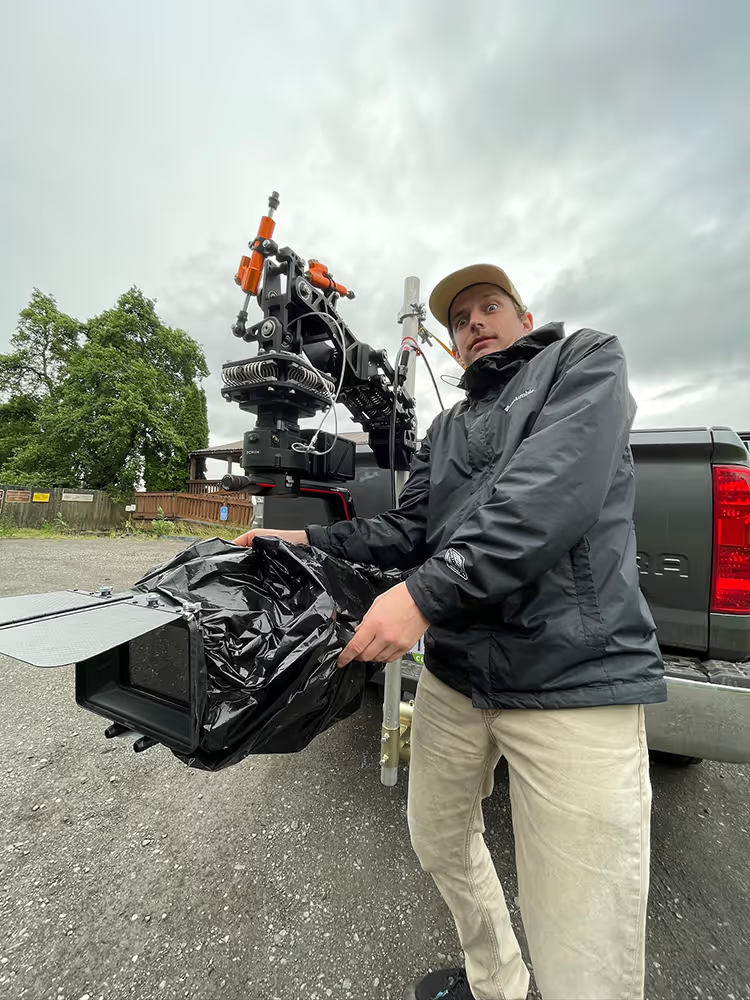
A team working with rented equipment has a built-in incentive to stick to the shot list — extra setups cost real, metered money, and going over means a call to the rental house or a scramble to return gear on time. A team that owns its cameras, lighting, and grip doesn't carry that constraint. An extra angle, an alternate take, a setup nobody planned for costs time, not a rental invoice. That difference sounds small. Over a full shoot day, it's the difference between a crew that protects the plan and a crew that's free to improve on it.
Continuity from concept to delivery matters more than headcount
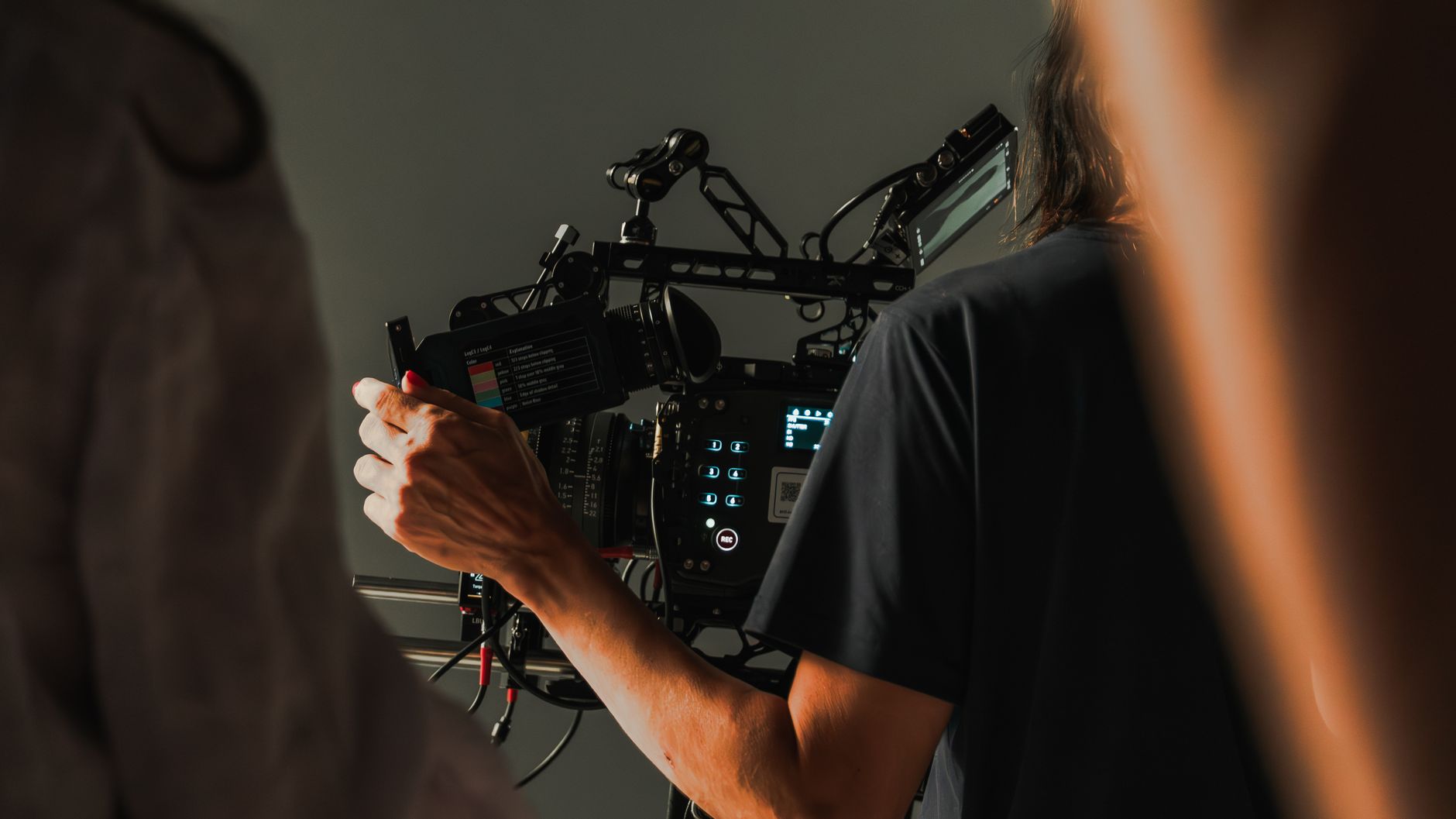
A production where the same people handle concept, shooting, and post-production carry the original creative intent through every stage without it being re-explained or reinterpreted by a new set of hands. Hand a rough cut to an editor who wasn't on set, and decisions have to be reconstructed from notes instead of memory. Teams that stay small enough to keep the same people through the whole arc — cinematography, editing, motion, delivery — lose less of the original idea in translation. It's not about doing everything with fewer people for its own sake. It's about not losing the thread.
Principal involvement sets the ceiling
Work that's directly overseen by the people who built the company's creative reputation tends to hold a higher bar than work routed through account staff to a production layer the founders never touch. That's not a knock on account-managed models — they scale in ways a founder-led shop can't. But there's a real ceiling difference: a founder with equity in the outcome pushes a shot further than someone executing a brief exactly as written. Knowing which model you're buying into is worth asking about directly.
What this looks like from the outside
You can usually spot the difference in the work itself before you ever see the org chart. Teams built this way produce content with small, specific choices that feel considered rather than templated — a reframe that wasn't in the shot list, a transition that wasn't in the storyboard. Those choices are cheap to make when the structure allows them and expensive or impossible when it doesn't. That's the real output of a production team's culture: not a mission statement, but what actually got tried on set.