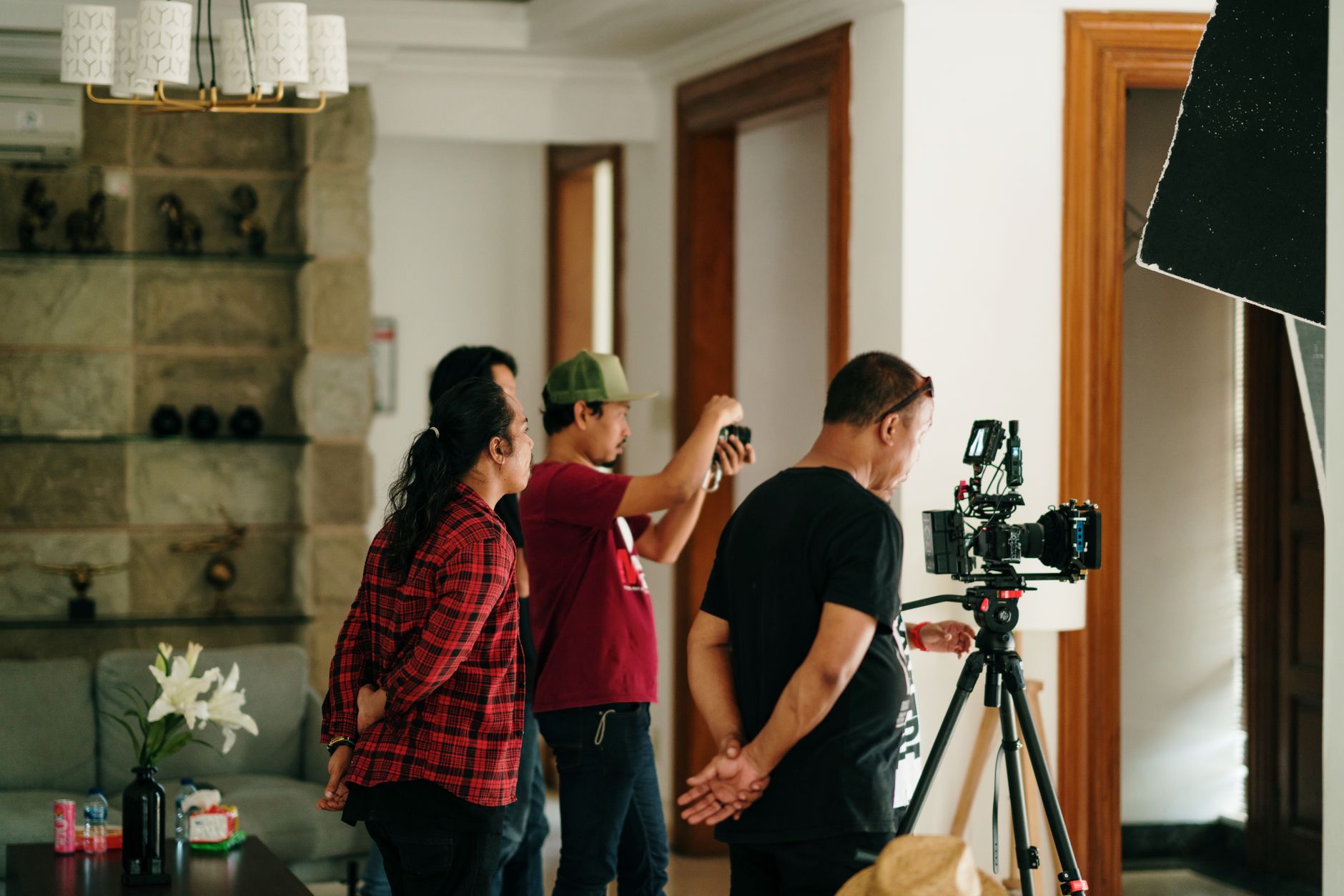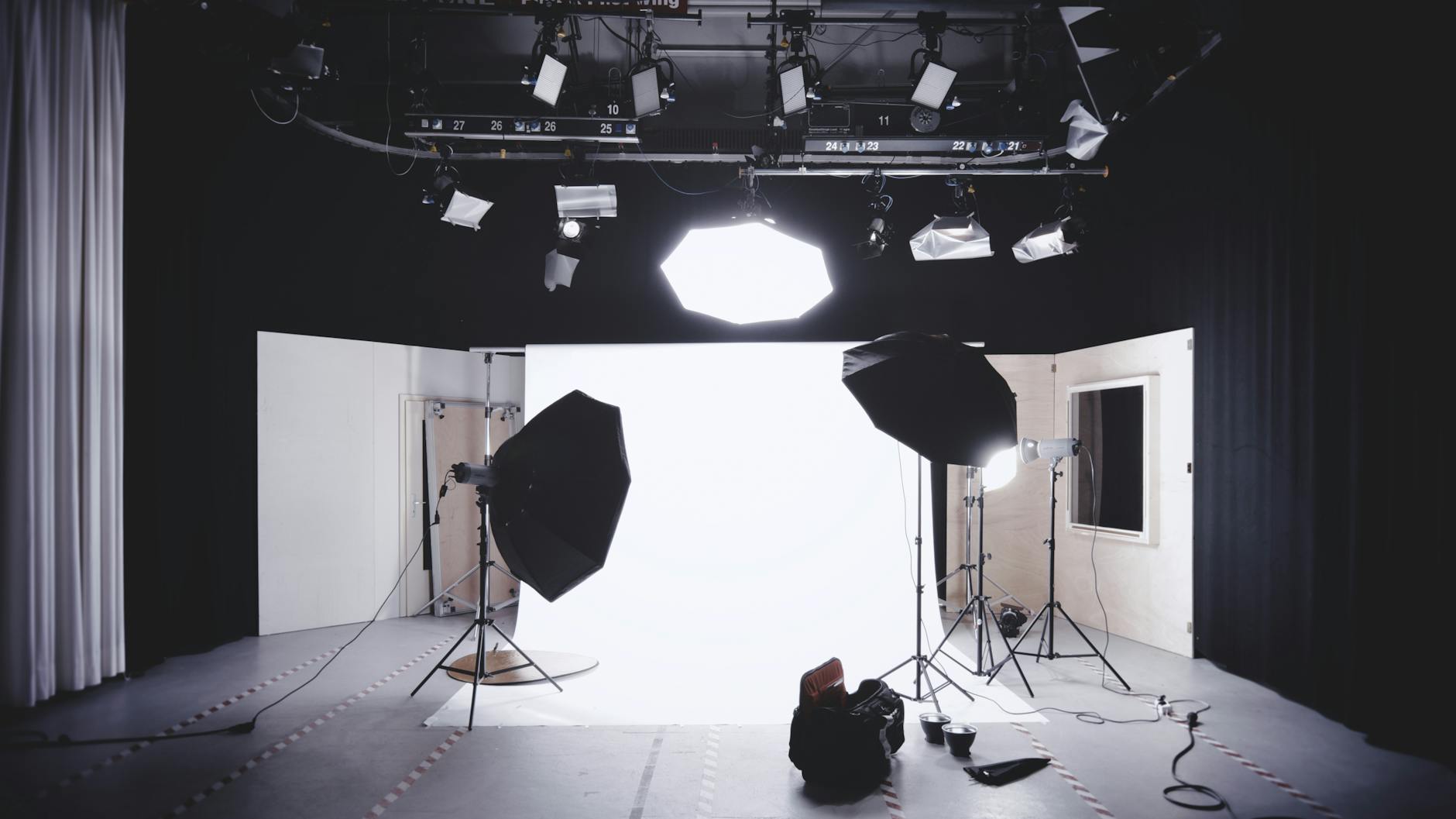
Choose a studio when control and repeatability carry the idea. Choose a location when the environment is part of the proof. If the campaign needs both precise product coverage and a believable world around it, plan a hybrid production instead of forcing one setting to do every job.
The best setting is the one that makes the product claim visible with the least unnecessary complexity.
Start with the non-negotiable image
Identify the frame or action the campaign cannot work without. Is it a clean material detail? A beverage pour? A shoe on a trail? A product installed in a real room? That image usually reveals whether the setting must be controlled, authentic, or both.
Then list the secondary needs: ecommerce angles, paid-social openings, organic sequences, packaging, talent, demonstrations, and frames with room for copy. A setting that serves the hero image but blocks the rest of the asset plan may not be the practical choice.
Choose a studio for control
A studio is useful when the work depends on consistent lighting, repeatable camera positions, detailed product styling, controlled sound, or a built set. It is especially strong for:
- Clean product and packaging views
- Macro details and controlled demonstrations
- Multiple products that must match across a catalog
- Effects involving liquids, rigs, surfaces, or precise resets
- Scenes that need several lighting or background variations
The tradeoff is that the team must create every part of the world the viewer sees. Set design, surfaces, props, and styling need to carry enough detail to avoid a generic result.
Choose a location for context
A location is useful when the product's value depends on where or how it is used. Real architecture, terrain, weather, activity, and scale can communicate things that would be difficult to reproduce convincingly.
Locations also bring variables. Access, permits, public traffic, changing light, sound, power, weather, travel, and product handling all affect the plan. Scout for the actual camera angles and actions, not just the general atmosphere. A beautiful location can still fail if the product disappears in the frame or the required movement is not allowed.
Compare the two against the same criteria
| Question | Studio advantage | Location advantage |
|---|---|---|
| What must stay consistent? | Light, background, camera, styling | Real environment and natural context |
| What proves the product claim? | Controlled detail or demonstration | Use in a credible setting |
| What creates risk? | Set build and artificiality | Access, weather, sound, and public variables |
| What needs to repeat? | Matching views across products | Consistent action within a real place |
| What does the asset library need? | Flexible clean coverage | Distinctive environmental storytelling |
Use a hybrid plan when the jobs are different
A hybrid does not have to mean two full productions. It can mean capturing controlled product coverage in a studio and a smaller set of environmental scenes on location. The footage and photography can still share styling, talent, color, and campaign direction.
Assign each setting a clear job. The studio might handle product truth, details, pack shots, and adaptable frames. The location might handle use, scale, movement, and atmosphere. This division creates a stronger library than asking a location to behave like a studio or building an entire real-world setting from scratch.
Budget for the source of complexity
Neither option is automatically less expensive. A simple location can be straightforward; a location with travel, permits, difficult access, and weather coverage can be complex. A basic studio tabletop can be contained; a large set build can be a production of its own.
Compare the full plan: prep, scouting, set or location costs, crew needs, gear, talent, transportation, contingency, reset time, and the number of useful assets each option can produce. The broader discussion of what moves a video budget applies more than the label “studio” or “location.”
Make the decision from the brief
Score each option against the campaign idea, product claim, required placements, visual consistency, production risks, and future reuse. The brief for a beverage product shoot is a useful model: decide what the audience must see before deciding where to make it.
Use the studio for control. Use the location for truth. Use both when the campaign genuinely needs both kinds of evidence. The setting should serve the product and the asset plan—not become the idea by default.